AP Environmental Science · CED Unit 1
The Living World:
Ecosystems
生态系统 · 引导型学习册
I'm not here to teach you. I'm here to tell you where to learn it — what to focus on in every CED topic, how much it's worth on the exam, and exactly which video, past paper or vocab set to open next.
📊 6–8% of the exam
📖 11 topics (1.1–1.11)
⭐⭐⭐ Difficulty
🎓 Foundation for all 8 later units
01
GUIDE DECK · 24 SLIDES · AP-STUDY.COM
Unit 1 · 1 / 24
🧭 考纲导航 · Unit Overview
One unit, one idea: matter cycles, energy flows.
Unit 1 is the foundation everything else stands on — pollution (Units 7–8) and climate change (Unit 9) are all Unit 1 concepts with humans added. Learn it as a system, not a list.
📊 Exam Weight
6–8%
📖 CED Topics
1.1 – 1.11
⭐ Difficulty
⭐⭐⭐ Moderate
📝 Common Q's
MCQ · FRQ calc
CED 知识点清单 · All 11 topics
1.1Introduction to Ecosystemspredation · symbiosis · competition
1.2Terrestrial Biomes9 biomes · temp + precip
1.3Aquatic Biomesfreshwater vs marine
1.4The Carbon Cyclesources · sinks · sequestration
1.5The Nitrogen Cycle5 steps · all bacteria
1.6The Phosphorus Cycleno gas phase · limiting
1.7Hydrologic Cyclesun-driven · reservoirs
1.8Primary ProductivityGPP vs NPP
1.9Trophic Levelswho eats whom
1.10Energy Flow & 10% Rulecalculation favourite
1.11Food Chains & Websfeedback · cascade
建议学习路径 · Recommended path
- Read this deck once (15 min) — get the map, don't memorise yet
- Watch Khan Academy Unit 1 for the topics you don't recognise
- Drill past papers on ap-study.com/bank — Unit 1 MCQs
- Memorise terms on vocab — APES rewards exact vocabulary
Unit 1 · 2 / 24
🤝
CED Topic 1.1 · 知识引导
Introduction to Ecosystems
The four interaction types — APES wants the signs, not the story
核心要点
- Symbiosis = 3 types, read the signs: mutualism +/+, commensalism +/0, parasitism +/−
- Competition — within a species (intraspecific) vs between (interspecific)
- Resource partitioning — how species split a niche to coexist
- Resource availability drives every one of these relationships
📊 Weight
6–8%
⭐ Priority
⭐⭐⭐
📝 Tested as
MCQ scenario
去哪学
💡
引导提问:在校门口找一对 mutualism(互利共生)。找不到?那操场边的那只鸟呢?——APES 喜欢用你身边的例子出 MCQ。
Unit 1 · 3 / 24
🏜️
CED Topic 1.2 · 知识引导
Terrestrial Biomes

Subtropical desert · ~30° latitude · sinking dry air
核心要点
- 9 biomes — tundra → taiga → temperate → grassland → desert → tropical
- Defined by two axes: temperature and precipitation
- Tropical rainforest = highest NPP & biodiversity; tundra = lowest
- Climate change is shifting biome boundaries poleward
📊 Weight
6–8%
⭐ Priority
⭐⭐⭐⭐
📝 Tested as
climate graph → biome
去哪学
💡
引导提问:给你一张气候图(温度 + 降水),30 秒内说出 biome。练这个反射,比背 9 段描述划算得多。
Unit 1 · 4 / 24
🐠
CED Topic 1.3 · 知识引导
Aquatic Biomes
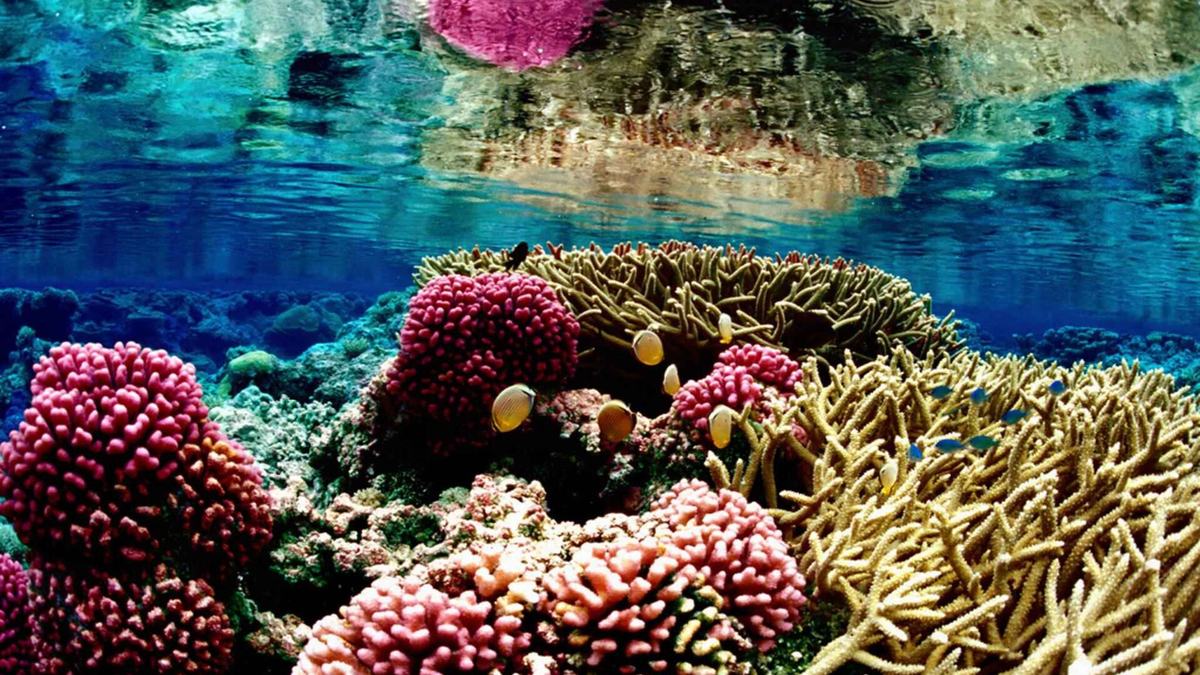
Coral reefs · the most diverse aquatic biome · extremely sensitive to temperature
核心要点
- Freshwater: streams, rivers, ponds, lakes, wetlands
- Marine: oceans, coral reefs, marshlands, estuaries
- Controlled by salinity, depth, flow, turbidity, nutrients, temperature
- Estuaries = nurseries & among the most productive biomes
📊 Weight
6–8%
⭐ Priority
⭐⭐⭐
📝 Tested as
MCQ + diagram
去哪学
💡
引导提问:为什么河口(estuary)既是"垃圾场"又是"育婴房"?想通这一句,1.3 就懂了。
Unit 1 · 5 / 24
模块导航 · Checkpoint ①
刚学完 1.1–1.3 · 接下来是 4 个循环
前三个 topic 在讲"谁和谁在一起";接下来四个在讲"物质怎么在系统里转"。
✅ 已完成 · Done
- 1.1 物种互动 4 型
- 1.2 九大陆地生物群落
- 1.3 淡水 vs 海洋
⏭️ 接下来 · Next
- 1.4 碳循环(有大气)
- 1.5 氮循环(细菌主角)
- 1.6 磷循环(无气相)
- 1.7 水循环(太阳驱动)
🎯 现在做 · Do now
- 先把 4 个循环的储库记牢
- 碳:短期 vs 长期储库
- 磷:没有大气相
一句话记住这一段:碳、氮、磷、水 —— 四个循环,四个考试最爱问的"储库在哪、谁在动它"。
Unit 1 · 6 / 24
🌳
CED Topic 1.4 · 知识引导
The Carbon Cycle
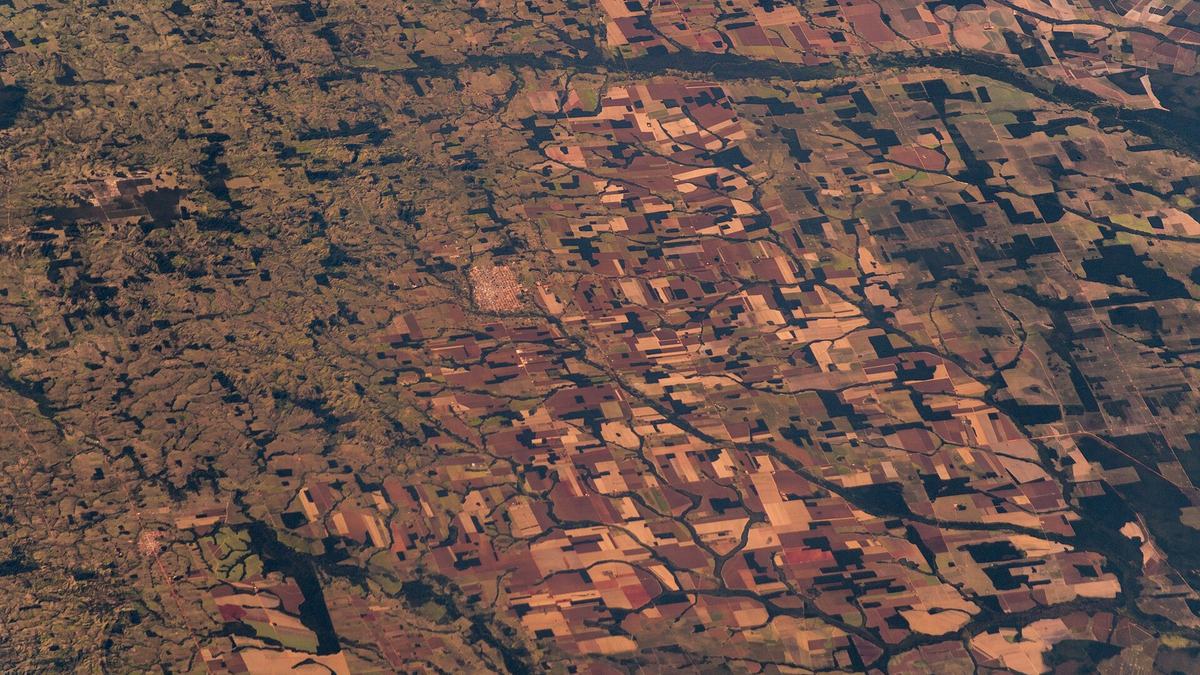
Amazon deforestation · long-term carbon store burned into atmospheric CO₂
核心要点
- Short-term sinks: living things, atmosphere, surface ocean
- Long-term sinks: fossil fuels, sedimentary rock, deep ocean
- Photosynthesis ↓ CO₂ · respiration & decomposition ↑ CO₂
- Burning fossil fuels = fast transfer from long-term to atmosphere
📊 Weight
6–8%
⭐ Priority
⭐⭐⭐⭐⭐
📝 Tested as
FRQ + MCQ
💡
引导提问:汽油加进油箱的时候,那些碳已经在地底待了 3 亿年。你一踩油门,它几秒内上天。——这就是"碳循环被人加速"。
Unit 1 · 7 / 24
🧫
CED Topic 1.5 · 知识引导
The Nitrogen Cycle
5 steps · fixation → nitrification → assimilation → ammonification → denitrification
核心要点
- Atmosphere = 78% N₂ = major reservoir, but plants can't use it
- Every step has a bacteria — that's the AP's favourite detail
- Fixation = N₂ → NH₃/NH₄⁺ · Nitrification = NH₄⁺ → NO₃⁻
- Denitrification returns N to the air (anaerobic, e.g. wetlands)
📊 Weight
6–8%
⭐ Priority
⭐⭐⭐⭐⭐
📝 Tested as
MCQ · FRQ
💡
引导提问:豆科植物根瘤里的细菌,凭什么让农民少施肥?——想清楚这个,1.5 的核心就通了。
Unit 1 · 8 / 24
🪨
CED Topic 1.6 · 知识引导
The Phosphorus Cycle
Slow, rock-driven, and — unlike the other three — no gas phase at all
核心要点
- No gas phase — the #1 thing APES checks on this topic
- Reservoir = rock & sediment; released by weathering
- Limiting nutrient in freshwater — small additions cause big blooms
- Fertiliser runoff → eutrophication (connects to Unit 8)
📊 Weight
6–8%
⭐ Priority
⭐⭐⭐⭐
📝 Tested as
MCQ · FRQ link
💡
引导提问:为什么洗衣粉要禁磷?顺着"磷没有气体"这句话往下想,答案自己会出来。
Unit 1 · 9 / 24
💧
CED Topic 1.7 · 知识引导
The Hydrologic (Water) Cycle
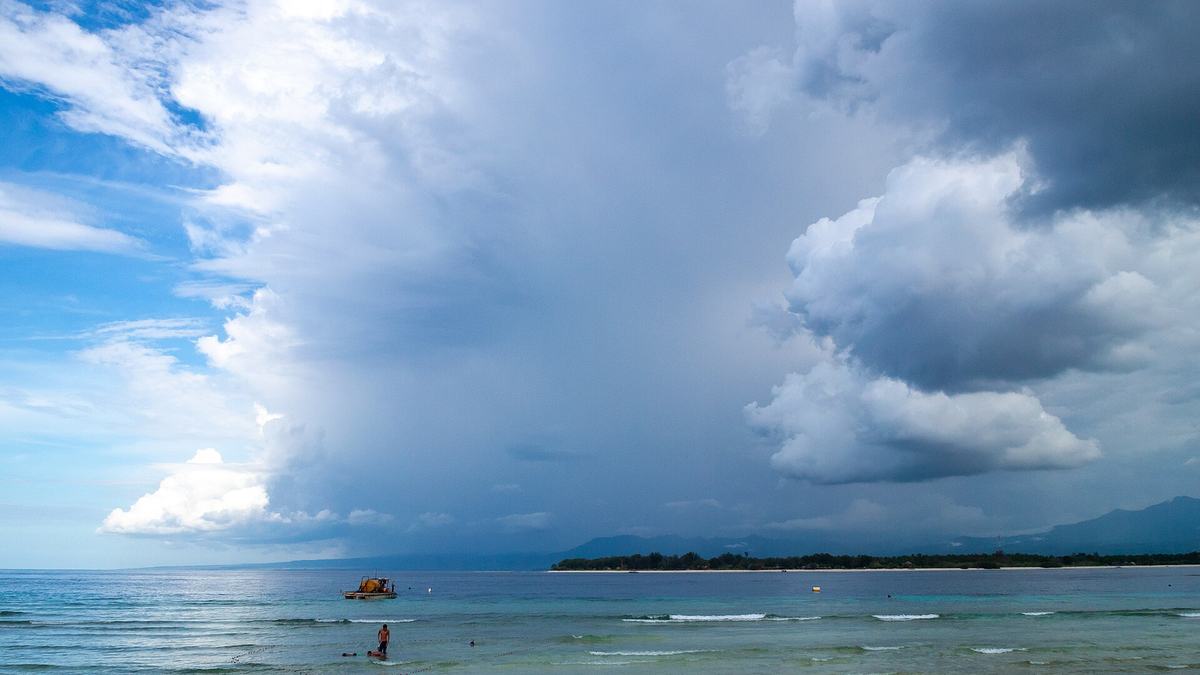
Evaporation feeding condensation — the sun drives every step
核心要点
- Sun = the engine; 97% of water sits in the ocean
- Steps: evaporation · transpiration · condensation · precipitation
- Then: runoff / infiltration → groundwater → uptake
- Deforestation cuts transpiration → less local rainfall
📊 Weight
6–8%
⭐ Priority
⭐⭐⭐
📝 Tested as
diagram MCQ
💡
引导提问:亚马逊雨林"自己造自己的雨"。把树砍了会怎样?——这是 FRQ 里最好写的人类影响之一。
Unit 1 · 10 / 24
模块导航 · Checkpoint ②
四个循环讲完 · 现在轮到能量
物质会循环(matter cycles)。能量不会——它单向流、边走边丢(energy flows)。这是全单元最重要的一句话。
✅ 已完成 · Done
- 1.4 碳循环
- 1.5 氮循环 · 5 步
- 1.6 磷循环 · 无气相
- 1.7 水循环
⏭️ 接下来 · Next
- 1.8 GPP vs NPP
- 1.9 营养级
- 1.10 10% 规则(会考计算)
- 1.11 食物网 · 反馈
🎯 现在做 · Do now
- 默写氮循环 5 步
- 记住:NPP = GPP − Ra
- 区分"循环"与"流动"
高频失分点:写"能量在生态系统中循环(recycled)"直接错。能量单向流动并以热的形式散失(热力学第二定律),只有物质循环。
Unit 1 · 11 / 24
☀️
CED Topic 1.8 · 知识引导
Primary Productivity
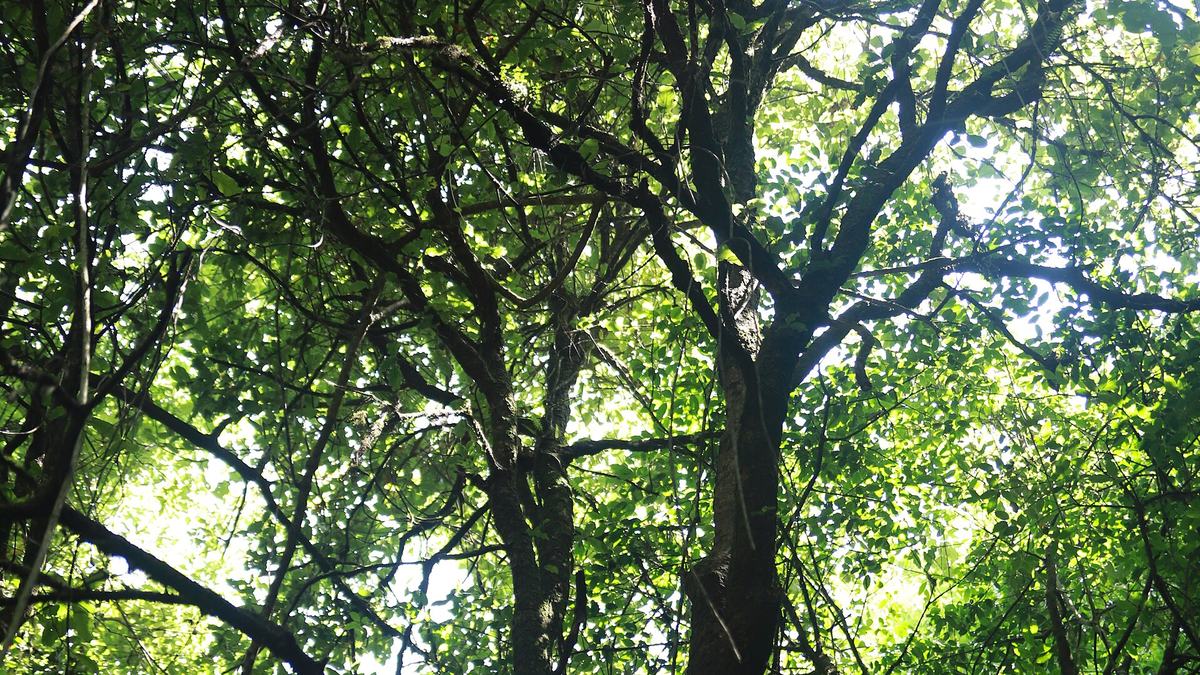
Tropical rainforest canopy · the highest terrestrial NPP on Earth
核心要点
- GPP = total energy captured by photosynthesis
- NPP = GPP − respiration ← what's actually left for consumers
- Units: kJ/m²/yr or g/m²/yr — per area, per time
- Highest NPP: rainforest, estuaries, wetlands · Lowest: desert, open ocean
📊 Weight
6–8%
⭐ Priority
⭐⭐⭐⭐⭐
📝 Tested as
calculate NPP
💡
引导提问:开放海洋被太阳晒了 24 小时,为什么 NPP 还这么低?提示:没有"土壤"这个养分库。
Unit 1 · 12 / 24
🐺
CED Topic 1.9 · 知识引导
Trophic Levels
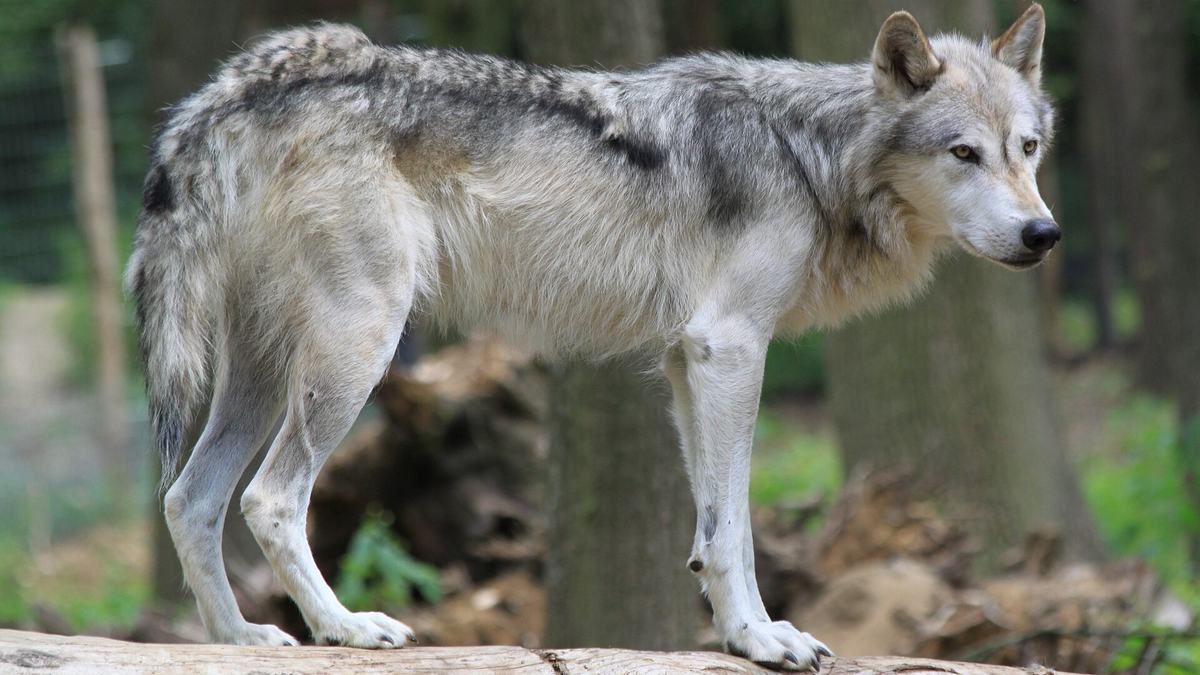
Apex predator · tertiary consumer · sits on the narrowest energy tier
核心要点
- Producer → primary → secondary → tertiary consumer
- Herbivore / carnivore / omnivore / detritivore / decomposer
- Decomposers recycle matter, they don't "return energy"
- Higher level = less energy, fewer individuals, more toxins
📊 Weight
6–8%
⭐ Priority
⭐⭐⭐⭐
📝 Tested as
pyramid · MCQ
💡
引导提问:为什么地球上从没出现过"五级消费者"?——用 1.10 的 10% 规则自己算一遍就明白了。
Unit 1 · 13 / 24
⚡
CED Topic 1.10 · 知识引导
Energy Flow & the 10% Rule
10% rule · the single most-tested calculation in Unit 1
核心要点
- Only ~10% of energy moves up a level; 90% is lost
- Lost to: heat, respiration, movement, waste, uneaten parts
- So: 10,000 → 1,000 → 100 → 10 J (each arrow ÷ 10)
- Consequence: food chains rarely exceed 4–5 levels
📊 Weight
6–8%
⭐ Priority
⭐⭐⭐⭐⭐
📝 Tested as
FRQ calculation
💡
引导提问:反过来想:养 10 亿人吃牛肉,和直接吃作物,土地要差多少?——10% 规则就是这道题。
Unit 1 · 14 / 24
🕸️
CED Topic 1.11 · 知识引导
Food Chains & Food Webs
Food web + trophic cascade — the AP's favourite "what if we remove X" question
核心要点
- Food web = interlocking chains — more paths = more resilience
- Positive feedback: change amplifies · Negative: change dampens
- Trophic cascade: removing a top predator reshapes everything below
- Humans simplify webs → less stable (monoculture, overfishing)
📊 Weight
6–8%
⭐ Priority
⭐⭐⭐⭐
📝 Tested as
MCQ scenario
💡
引导提问:黄石公园重新引入狼,居然让河边树变多了。这条因果链,你能一口气画出来吗?
Unit 1 · 15 / 24
模块导航 · Checkpoint ③
11 个 topic 全部过完 · 进入考试模式
内容你已经有了地图。剩下的不是"学更多",而是"练得更准"。
✅ 已完成 · Done
- 1.1–1.3 互动 + 生物群落
- 1.4–1.7 四大循环
- 1.8–1.11 能量流
⏭️ 接下来 · Next
- 计算:GPP/NPP、10%
- 2 道 MCQ 自测
- FRQ 三种问法
- 高频陷阱清单
🎯 现在做 · Do now
- 合上幻灯片,画出
- 碳→氮→磷→水的储库
- 画不出就回第 6 页
APES 的得分逻辑:精确词汇 > 理解大意。写 "nitrogen fixation by rhizobia" 得分,写 "bacteria help plants" 不得分。这就是为什么词汇页在后面等你。
Unit 1 · 16 / 24
计算引导 · The math you must own
Unit 1 只考两种计算
APES 现在允许用计算器,并会发公式表。你要练的是"知道用哪条",不是心算。
① Net Primary Productivity
NPP = GPP − Ra
GPP = total captured by producers · Ra = producer respiration
NPP is the energy actually available to consumers
陷阱:题目给 GPP 和 Ra,问你"consumer 能拿到多少能量"——必须先减出 NPP,再喂给下一级。直接拿 GPP 除以 10 是最常见的错。
② The 10% Rule
Enext = Ecurrent × 0.10
10,000 J producers → 1,000 → 100 → 10 J
Each arrow up divides by 10
考试变体:① 给 producers 能量求 tertiary;② 反过来,给 top predator 能量反推 producers(×10 三次 = ×1,000);③ 求第 n 级后剩余百分比(0.1n)。
🧮
练一道:producers 有 250,000 kJ,问 tertiary consumers 拿到多少?
→ 250,000 → 25,000 → 2,500 → 250 kJ。三箭头,三除法。
Unit 1 · 17 / 24
自测 · MCQ 1
点一下就判分
A food chain transfers 500 kJ of energy to primary consumers. Using the 10% rule, how much energy reaches the tertiary consumers?
A0.5 kJ
B5 kJ
C50 kJ
D500 kJ
✅ 答案 B。500 kJ 是 primary consumers 手里的能量。到 secondary = ÷10 = 50 kJ,到 tertiary = 再 ÷10 = 5 kJ。选 A 的人多除了一次(四级),选 C 的人只除了一次。看清"从哪一级开始算"是这个考点的全部难度。
Unit 1 · 18 / 24
自测 · MCQ 2
点一下就判分
Which reservoir stores carbon for the longest period of time?
AThe atmosphere
BLiving terrestrial plants
CFossil fuels and sedimentary rock
DThe surface ocean
✅ 答案 C。化石燃料与沉积岩是长期储库,碳能被锁住数千万到数亿年。A、B、D 都是短期储库——周转快,几年到几十年。APES 几乎每年都会用"长期 vs 短期储库"出一道题,1.4 的核心就这一条分界线。
Unit 1 · 19 / 24
FRQ 引导 · 3 种问法
Unit 1 在 FRQ 里只穿三件衣服
Section II 占 40% 分数,3 道题 70 分钟。Unit 1 的知识几乎一定会在某道 FRQ 里出现。
① Identify / Explain
"Identify the reservoir…" · "Explain why phosphorus is a limiting nutrient."
答法:精确名词 + 一句因果。
答法:精确名词 + 一句因果。
② Calculate
10% rule 或 NPP。
答法:写出公式 → 代入 → 带单位。没单位丢分。
③ Justify / Propose
"Propose a solution to reduce fertilizer runoff and justify it."
答法:具体手段(buffer zone)+ 为什么有效。
打分逻辑:FRQ 按 rubric 逐点给分。写"具体名词"才得分:写 "contour farming" 得分,写 "a farming method" 不给分。空着 = 0 分,猜一个具体答案至少有机会。
Unit 1 · 20 / 24
高频陷阱 · Common mistakes
六个最常丢分的地方
- "能量循环" ❌
能量单向流动并以热散失;只有物质循环。 - NPP 忘了减呼吸 ❌
NPP = GPP − Ra,题目一定埋这个坑。 - 混淆 fixation 与 nitrification
fixation: N₂→NH₄⁺ · nitrification: NH₄⁺→NO₃⁻。
- "磷有大气相" ❌
磷循环没有气体阶段,储库是岩石。 - 10% 规则算错起点
先确认题目给的是哪一级的能量。 - 只靠温度判断 biome ❌
必须同时看降水——两条轴缺一不可。
🎯
自查:这六条里,哪一条你刚才还需要想一下?把它写进你的错题本——APES 的分就在这些"差一点"上。
Unit 1 · 21 / 24
词汇引导 · Must-know terms
Unit 1 必背术语(能定义,不是眼熟)
APES 的 3 分和 5 分之间,隔的就是这些词的精确度。
- resource partitioning — 划分资源以共存
- mutualism / commensalism / parasitism
- estuary — 河口,高生产力育幼场
- sequestration — 碳被长期储存
- nitrogen fixation / nitrification / denitrification
- eutrophication — 养分过量 → 藻华 → 缺氧
- limiting nutrient — 限制生产力的养分
- GPP / NPP — 总生产 / 净生产
- trophic cascade — 顶级捕食者引发的连锁反应
- feedback loop — 正反馈放大 · 负反馈稳定
Unit 1 · 22 / 24
资源总页 · Resources
这一页就够了
按顺序用:先 Khan 补概念 → 再 OCT/Bozeman 加固 → 真题收尾。
视频课
Unit 1 · 23 / 24
覆盖清单 · Coverage
CED Unit 1 · 11 个 topic 全覆盖
- 1.1 互动 4 型 + 资源划分 (slide 3)
- 1.2 九大陆地生物群落 (slide 4)
- 1.3 淡水 vs 海洋 (slide 5)
- 1.4 碳循环 · 长短储库 (slide 7)
- 1.5 氮循环 · 5 步 (slide 8)
- 1.6 磷循环 · 无气相 (slide 9)
- 1.7 水循环 (slide 10)
- 1.8 GPP / NPP (slides 12, 17)
- 1.9 营养级 (slide 13)
- 1.10 能量流 + 10% 规则 (slides 14, 17–18)
- 1.11 食物网 · 反馈 · 级联 (slide 15)
- 技能 MCQ×2 · FRQ×3 型 · 陷阱 · 词汇 (18–22)
🎓
Unit 1 完成。下一册:Unit 2 — The Living World: Biodiversity(6–8%):生态耐受、演替、岛屿生物地理学、瓶颈效应。Unit 1 是它的地基。
Unit 1 · 24 / 24
Unit 1
1 / 24
The Living World: Ecosystems