College Board AP® Environmental ScienceUNIT 2 · CED TOPIC 2.1
✏️Your notes
🧬
CED Topic 2.1 · 知识引导
Introduction to Biodiversity
ERT-2.ALearning Objective · 学习目标
Explain levels of biodiversity and their importance to ecosystems.
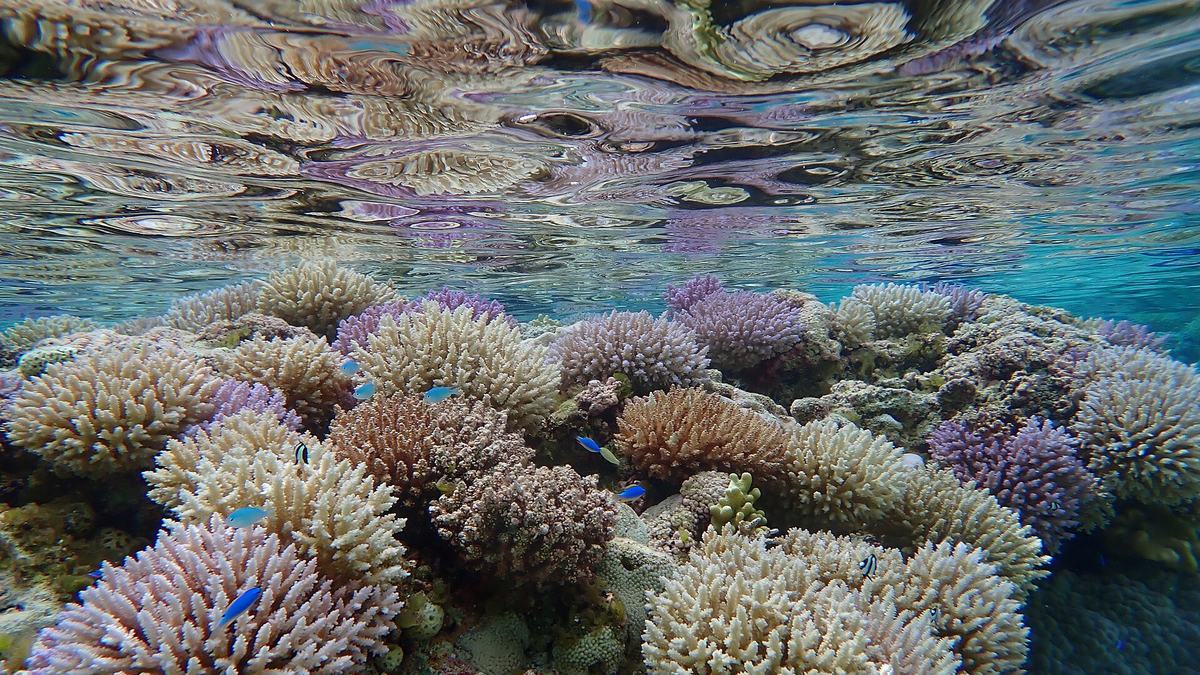
A coral reef: the textbook image of high species richness
核心要点
- Biodiversity = genetic + species + habitat diversity, three levels
- More genetic diversity → better response to environmental stressors
- Bottleneck = population crash → genetic diversity lost, cannot be regained
- Species richness = number of different species (just count them)
- Habitat loss kills specialists first, then generalists
Richness vs evenness: richness 只数"有几种",evenness 看"每种数量均不均匀"。一个 100 条鱼的池塘里 99 条是同一种 —— richness 高,evenness 极低,APES 认为这不是好生态。
ESSENTIAL KNOWLEDGE · CED 原文(5 条,点开对照)
- ERT-2.A.1Biodiversity in an ecosystem includes genetic, species, and habitat diversity.
- ERT-2.A.2The more genetically diverse a population is, the better it can respond to environmental stressors. Additionally, a population bottleneck can lead to a loss of genetic diversity.
- ERT-2.A.3Ecosystems that have a larger number of species are more likely to recover from disruptions.
- ERT-2.A.4Loss of habitat leads to a loss of specialist species, followed by a loss of generalist species. It also leads to reduced numbers of species that have large territorial requirements.
- ERT-2.A.5Species richness refers to the number of different species found in an ecosystem.
去哪学
💡
引导提问:猎豹历史上经历过一次 bottleneck —— 想想这对今天的猎豹种群意味着什么?APES 曾直接考过这个案例。
⚡ AP Study Hub · ace your exams at ap-study.comUNIT 2 · GUIDE DECK
College Board AP® Environmental ScienceUNIT 2 · CED TOPIC 2.2
✏️Your notes
🎁
CED Topic 2.2 · 知识引导
Ecosystem Services
ERT-2.BLearning Objective · 学习目标
Describe ecosystem services.
ERT-2.CLearning Objective · 学习目标
Describe the results of human disruptions to ecosystem services.
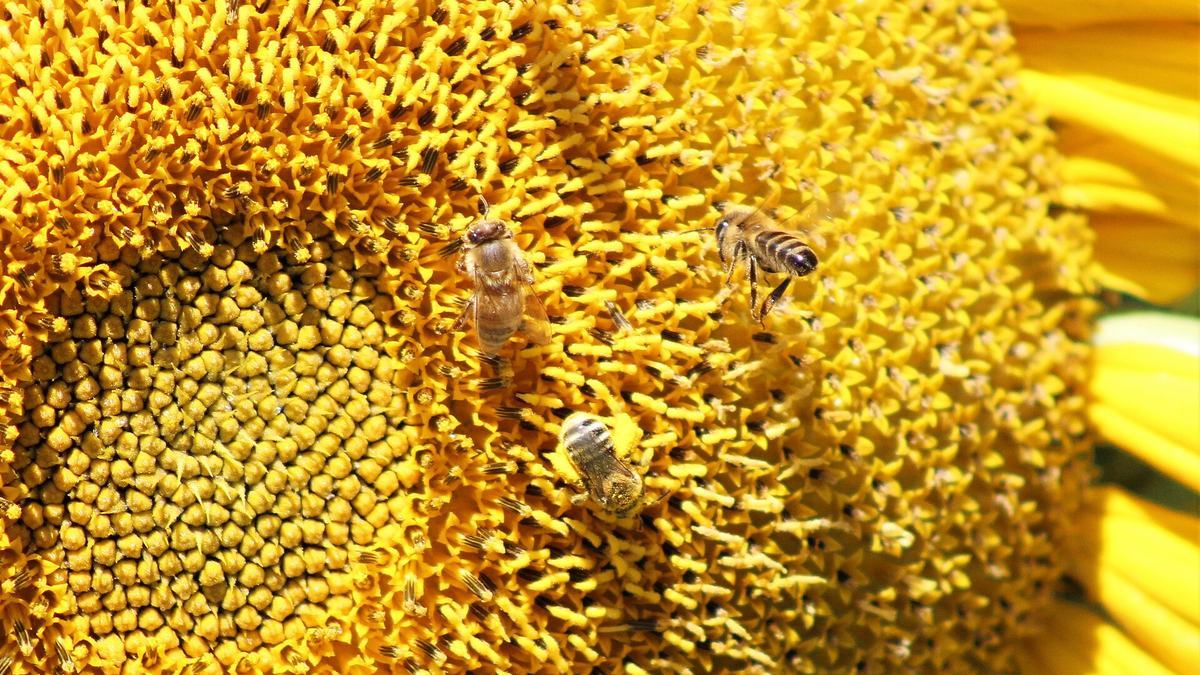
Pollination: a regulating service worth billions — bees working for free
核心要点
- Four categories — must be able to name + example each:
- Provisioning — we take products: food, timber, water
- Regulating — nature moderates: climate, flood, pollination
- Cultural — money & mind: tourism, recreation, aesthetics
- Supporting — behind the scenes: soil formation, nutrient cycling
考试密码:FRQ 问 "identify one ecosystem service",只写例子不给分类别 = 稳。最偷懒的万能答案:pollination(regulating)+ nutrient cycling(supporting),一套吃遍所有年份。
ESSENTIAL KNOWLEDGE · CED 原文(2 条,点开对照)
- ERT-2.B.1There are four categories of ecosystem services: provisioning, regulating, cultural, and supporting.
- ERT-2.C.1Anthropogenic activities can disrupt ecosystem services, potentially resulting in economic and ecological consequences.
去哪学
💡
引导提问:你家楼下公园的树提供哪几类服务?遮荫(regulating)、果实(provisioning)、散步心情好(cultural)—— 试着凑齐四类。
⚡ AP Study Hub · ace your exams at ap-study.comUNIT 2 · GUIDE DECK
College Board AP® Environmental ScienceUNIT 2 · CED TOPIC 2.3
✏️Your notes
🏝️
CED Topic 2.3 · 知识引导
Island Biogeography
ERT-2.DLearning Objective · 学习目标
Describe island biogeography.
ERT-2.ELearning Objective · 学习目标
Describe the role of island biogeography in evolution.
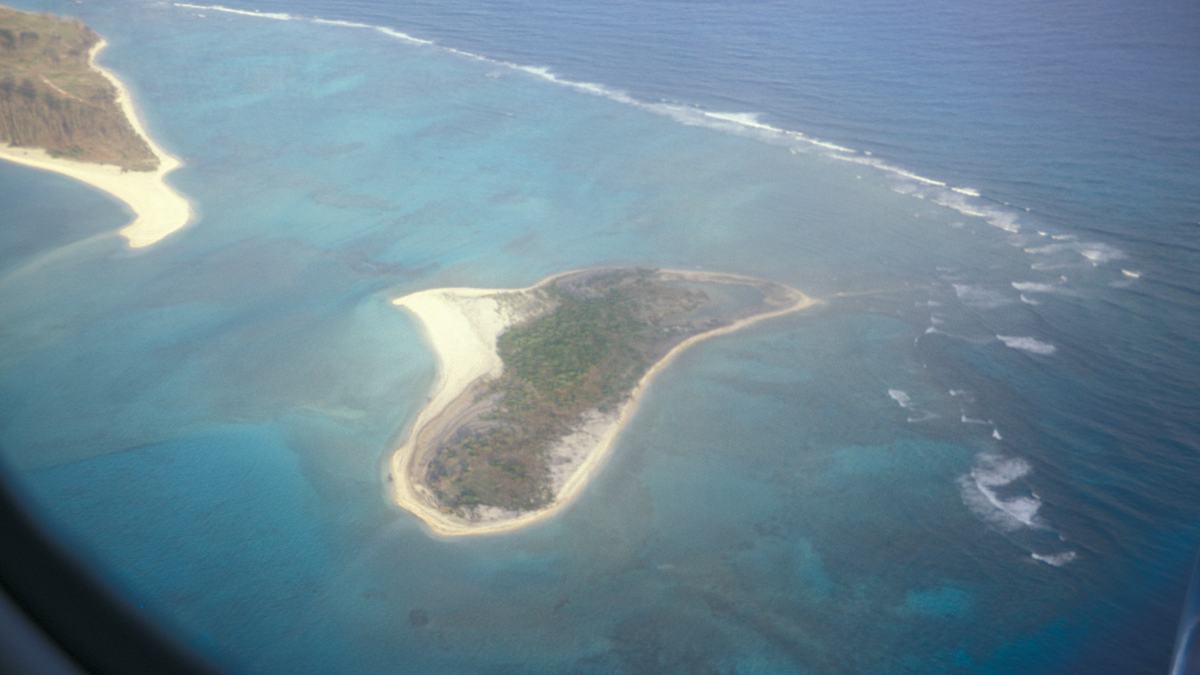
An atoll: big + close = rich; small + far = poor. That's the whole theory.
核心要点
- Species richness = balance of immigration vs extinction
- Bigger island → more habitats → lower extinction → more species
- Closer to mainland → more immigration → more species
- Island species evolve into specialists (limited resources)
- Invasive generalists outcompete island specialists — classic MCQ
洞口藏在题里:"habitat fragmentation"(森林被马路切碎)= 人造岛屿,规律完全一样。看到 fragment 就默念 island biogeography。
ESSENTIAL KNOWLEDGE · CED 原文(3 条,点开对照)
- ERT-2.D.1Island biogeography is the study of the ecological relationships and distribution of organisms on islands, and of these organisms’ community structures.
- ERT-2.D.2Islands have been colonized in the past by new species arriving from elsewhere.
- ERT-2.E.1Many island species have evolved to be specialists versus generalists because of the limited resources, such as food and territory, on most islands. The long-term survival of specialists may be jeopardized if and when invasive species, typically generalists, are introduced and outcompete the…
去哪学
💡
引导提问:加拉帕戈斯群岛离大陆 1000 km,为什么反而成了"演化实验室"?提示:孤立 = 没有大陆 generalist 来搅局。
⚡ AP Study Hub · ace your exams at ap-study.comUNIT 2 · GUIDE DECK
College Board AP® Environmental ScienceUNIT 2 · CED TOPIC 2.5
✏️Your notes
🌪️
CED Topic 2.5 · 知识引导
Natural Disruptions to Ecosystems
ERT-2.GLearning Objective · 学习目标
Explain how natural disruptions, both short- and long-term, impact an ecosystem.
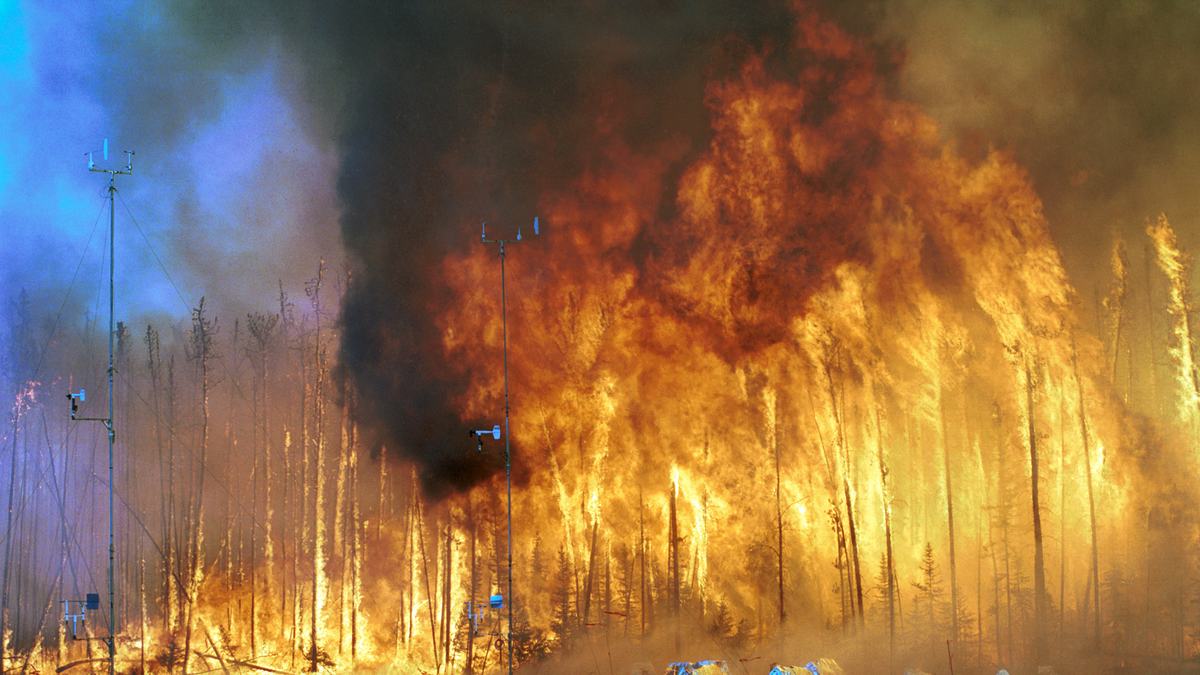
A crown fire: episodic disturbance — destructive now, reset button for succession later
核心要点
- Three timing types — periodic (predictable: seasons, monsoons)
- Episodic (occasional: hurricanes, fires) · random (asteroids)
- Natural disruptions can be as big as or bigger than human ones
- Earth's climate has always changed — glacial cycles moved sea level
- Wildlife responds with short & long-term migration
考试密码:把三个英文术语背死 —— periodic / episodic / random。FRQ 给一个事件("a hurricane hits Florida")问类型,写 episodic 直接得分。
ESSENTIAL KNOWLEDGE · CED 原文(6 条,点开对照)
- ERT-2.G.1Natural disruptions to ecosystems have environmental consequences that may, for a given occurrence, be as great as, or greater than, many human-made disruptions.
- ERT-2.G.2Earth system processes operate on a range of scales in terms of time. Processes can be periodic, episodic, or random.
- ERT-2.G.3Earth’s climate has changed over geological time for many reasons.
- ERT-2.G.4Sea level has varied significantly as a result of changes in the amount of glacial ice on Earth over geological time.
- ERT-2.G.5Major environmental change or upheaval commonly results in large swathes of habitat changes.
- ERT-2.G.6Wildlife engages in both short- and long-term migration for a variety of reasons, including natural disruptions.
去哪学
💡
引导提问:台风(深圳每年都有)、恐龙灭绝的小行星、季节性洪水 —— 试着给每个贴 periodic / episodic / random 标签。
⚡ AP Study Hub · ace your exams at ap-study.comUNIT 2 · GUIDE DECK
College Board AP® Environmental ScienceUNIT 2 · CED TOPIC 2.6
✏️Your notes
🐧
CED Topic 2.6 · 知识引导
Adaptations
ERT-2.HLearning Objective · 学习目标
Describe how organisms adapt to their environment.
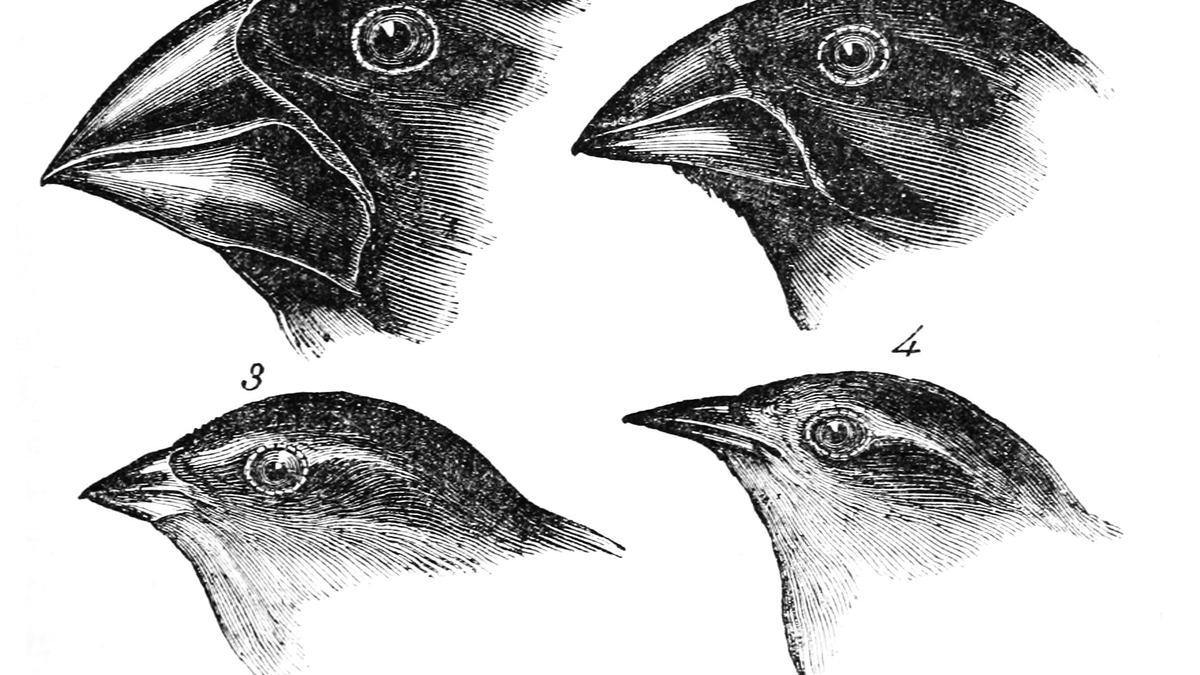
Darwin's finches: one ancestor, many beaks — each shaped by its food source
核心要点
- Adaptation = trait that improves survival & reproduction
- Mechanism: natural selection — best-adapted individuals leave more offspring
- Each generation, the population shifts toward better-adapted phenotypes
- Source of new variation: genetic diversity (links straight back to 2.1)
- Individuals don't adapt — populations do, over generations
达尔文雀:同一个祖先 → 不同岛不同食源 → 喙形分化。这是 APES "adaptation" 的标准案例,写进 FRQ 一定给分。
ESSENTIAL KNOWLEDGE · CED 原文(2 条,点开对照)
- ERT-2.H.1Organisms adapt to their environment over time, both in short- and long-term scales, via incremental changes at the genetic level.
- ERT-2.H.2Environmental changes, either sudden or gradual, may threaten a species’ survival, requiring individuals to alter behaviors, move, or perish.
去哪学
💡
引导提问:"北极熊为了变白所以毛变白了" —— 这句话错在哪?(个体不"为了"什么而演化,是种群被筛选。)
⚡ AP Study Hub · ace your exams at ap-study.comUNIT 2 · GUIDE DECK
College Board AP® Environmental ScienceUNIT 2 · CED TOPIC 2.7
✏️Your notes
🌱
CED Topic 2.7 · 知识引导
Ecological Succession
ERT-2.ILearning Objective · 学习目标
Describe ecological succession.
ERT-2.JLearning Objective · 学习目标
Describe the effect of ecological succession on ecosystems.
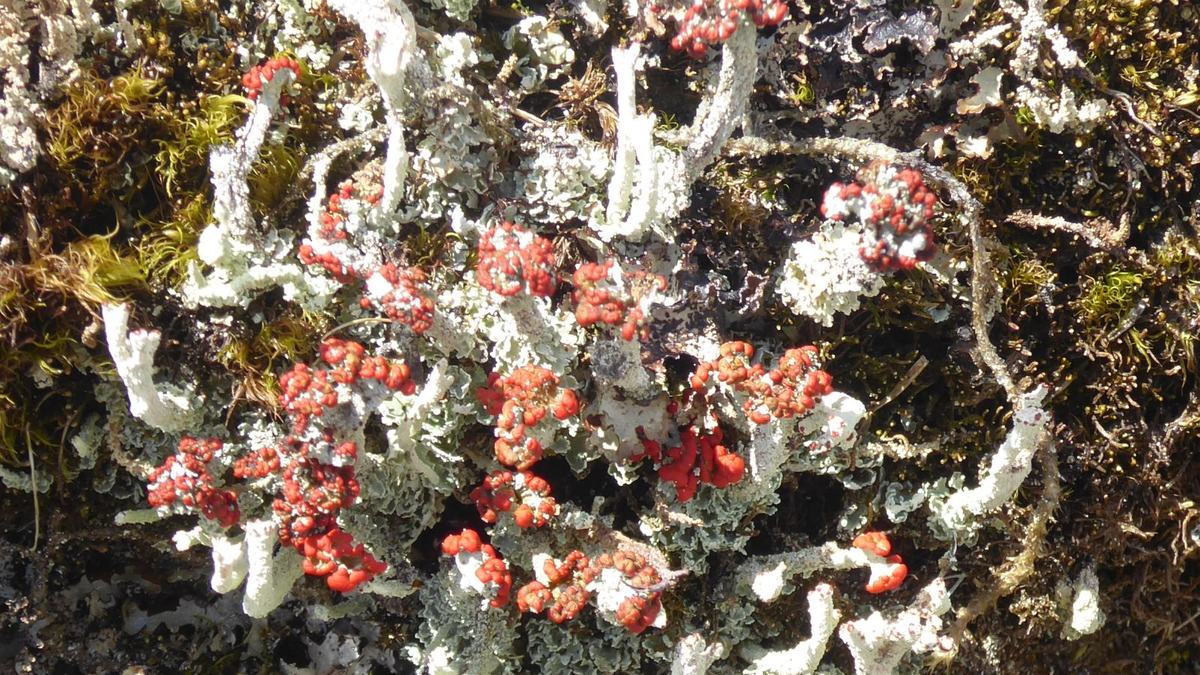
Lichens on bare rock: the textbook pioneer species of primary succession
核心要点
- Primary succession: starts on bare rock, no soil (glacier retreat, lava)
- Pioneer species = lichens & mosses — they make the first soil
- Secondary succession: soil survives (after fire, flood, farming)
- Secondary pioneers = grasses & weeds — much faster
- Direction: pioneer → grasses → shrubs → young forest → mature community
一秒判断法:题目里出现 "bare rock / lava flow / retreated glacier" = primary;出现 "after a fire / abandoned farm" = secondary。土壤在不在 = 唯一判据。
ESSENTIAL KNOWLEDGE · CED 原文(5 条,点开对照)
- ERT-2.I.1There are two main types of ecological succession: primary and secondary succession.
- ERT-2.I.2A keystone species in an ecosystem is a species whose activities have a particularly significant role in determining community structure.
- ERT-2.I.3An indicator species is a plant or animal that, by its presence, abundance, scarcity, or chemical composition, demonstrates that some distinctive aspect of the character or quality of an ecosystem is present.
- ERT-2.J.1Pioneer members of an early successional species commonly move into unoccupied habitat and over time adapt to its particular conditions, which may result in the origin of new species.
- ERT-2.J.2Succession in a disturbed ecosystem will affect the total biomass, species richness, and net productivity over time. AP Environmental Science Course and Exam Description Course Framework V.1 | 58 ~12–13
去哪学
💡
引导提问:深圳大鹏半岛 30 年前的采石场,现在长满了树 —— 这是 primary 还是 secondary?(提示:采石场有没有留下土?)
⚡ AP Study Hub · ace your exams at ap-study.comUNIT 2 · GUIDE DECK
Unit 2 在 FRQ 里只有三种出场方式
问法 ① identify
Identify one provisioning service and one regulating service of a forest.
得分动作:先写术语(timber / water purification)再展开。写类别名 + 例子双保险。
Identify one provisioning service and one regulating service of a forest.
得分动作:先写术语(timber / water purification)再展开。写类别名 + 例子双保险。
问法 ② explain
Explain why species on islands are especially vulnerable to invasive species.
得分动作:specialist + 有限资源 + generalist outcompete 三个词全部写出来。
Explain why species on islands are especially vulnerable to invasive species.
得分动作:specialist + 有限资源 + generalist outcompete 三个词全部写出来。
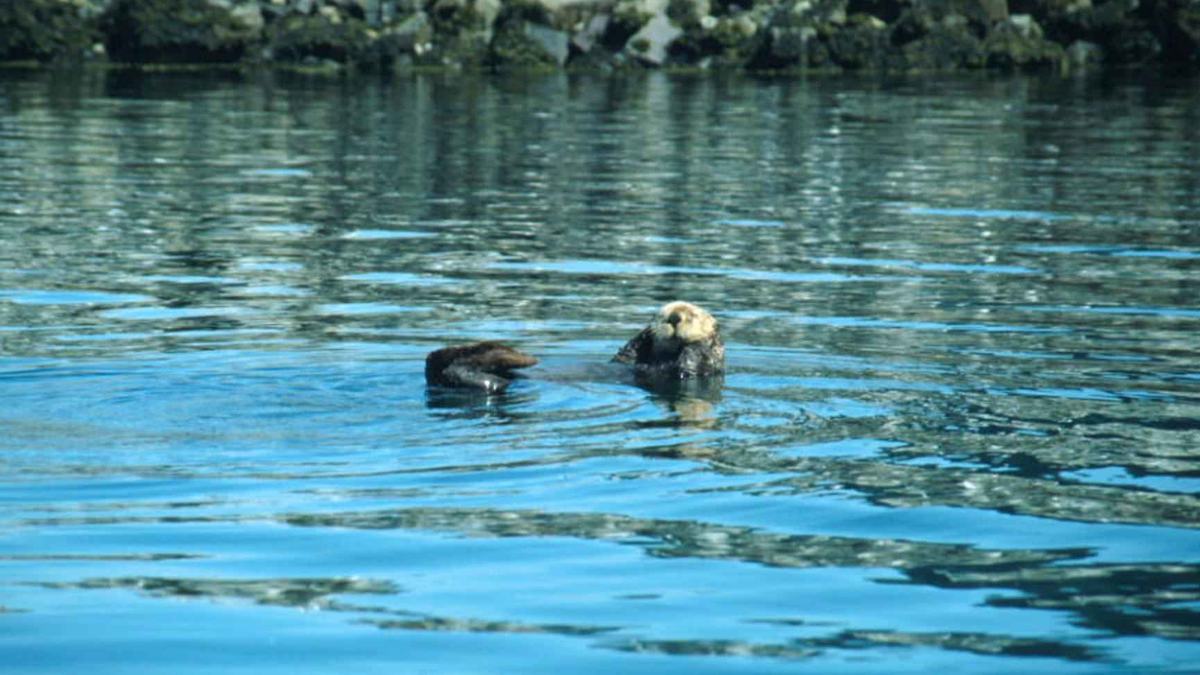
Sea otters: the keystone FRQ icon — otter → urchin → kelp 三步链背下来
问法 ③ predict / consequence
A wildfire burns a forest but the soil remains. Describe the first 50 years of ecological change.
得分动作:先判 secondary(土壤在),再按顺序写 grasses → shrubs → young forest。
A wildfire burns a forest but the soil remains. Describe the first 50 years of ecological change.
得分动作:先判 secondary(土壤在),再按顺序写 grasses → shrubs → young forest。
FRQ 铁律:每个答案带一个具体术语(keystone species、pioneer species、genetic diversity),不带术语的句子阅卷人有权不给分。
⚡ AP Study Hub · ace your exams at ap-study.comUNIT 2 · GUIDE DECK