College Board AP® Environmental ScienceGUIDE DECK · 官方考纲对照版
CED Unit 5 · 知识引导学习册
Land & Water
Use
土地与水的利用 · 引导型学习册
I'm not your teacher — I'm your study guide. Unit 5 is the biggest unit in the course (17 topics) and the one where the exam most often asks "here's a problem, propose a solution." This deck tells you exactly what to learn, where to learn it, and how it shows up on test day.
📊 10–15% of the exam📖 17 topics (5.1–5.17)🛠️ 最实用的一个单元📝 FRQ 高频出没区
05
GUIDE DECK · 33 SLIDES · AP-STUDY.COM
Unit 5 · 1 / 33
College Board AP® Environmental ScienceUNIT 5 · LAND AND WATER USE
🧭 考纲导航 · Unit Overview
One unit, one question: how do we feed 8 billion people without wrecking the planet?
Unit 5 splits cleanly in half. 5.1–5.11 (EIN-2) is the damage report: what happens when shared resources get used in self-interest — overgrazed commons, clearcut hillsides, drained aquifers, collapsed fisheries. 5.12–5.17 (STB-1) is the fix: sustainability, green infrastructure, IPM, soil conservation, aquaculture, sustainable forestry. Learn them as pairs — for every problem on the left half there is a solution on the right. That pairing is literally how FRQ 2 is scored.
📊 Exam Weight
10–15%
📖 CED Topics
5.1 – 5.17
⭐ Difficulty
⭐⭐⭐ 内容最多、最好拿分
📝 Common Q's
MCQ 概念 + FRQ 解决方案
大概念 · Enduring Understandings(CED 原文)
EIN-2When humans use natural resources, they alter natural systems.
STB-1Human activities have an impact on the environment, and the use of resources can be managed sustainably.
CED 知识点清单 · All 17 topics
5.1The Tragedy of the Commonsshared resource · self-interest · depletion
5.2Clearcuttingno canopy → erosion · flooding · warmer streams
5.3The Green Revolutionmechanization · GMOs · fertilizer · irrigation
5.4Impact of Agricultural Practicestilling · slash-and-burn · fertilizers
5.5Irrigation Methodsdrip 5% · flood 20% · furrow 1/3 · salinization
5.6Pest Control Methodsresistance · artificial selection · GMOs
5.7Meat Production MethodsCAFO vs free-range · 20× land · overgrazing
5.8Impacts of Overfishingstock collapse · biodiversity · food security
5.9Impacts of Miningoverburden · slag & tailings · habitat loss
5.10Impacts of Urbanizationimpervious surfaces · runoff · urban sprawl
5.11Ecological Footprintsresource demand + waste production
5.12Introduction to Sustainabilitysustainable yield · environmental indicators
5.13Methods to Reduce Urban Runoffpermeable pavement · green roof · build up
5.14Integrated Pest ManagementIPM · last resort · complex & expensive
5.15Sustainable Agriculturecontour · terracing · no-till · crop rotation
5.16Aquacultureefficient · small area · little fuel · disease
5.17Sustainable Forest Managementreforestation · IPM · prescribed burn
建议学习路径 · Recommended path
- 先读第 2 页的单元地图,建立「问题 → 解法」的对应关系(这是本单元的骨架)
- 5.1–5.11 每天 3 个 topic,重点记每页的 defn 定义框 和 tip 考试提示框
- 5.12–5.17 是背列表的单元:每个 topic 都是一串方法名,必须能默写出来
- 刷 Unit 5 的 MCQ,然后做一道 FRQ(本站 bank.html 有历年真题)
- Unit 8 的水体污染、Unit 9 的可持续发展都会回头考这里的词汇
⚡ AP Study Hub · ace your exams at ap-study.comUNIT 5 · GUIDE DECK
Unit 5 · 2 / 33
College Board AP® Environmental ScienceUNIT 5 · CED TOPIC 5.1
✏️Your notes
🐄
CED Topic 5.1 · 知识引导
The Tragedy of the Commons
EIN-2.ALearning Objective · 学习目标
Explain the concept of the tragedy of the commons.
解释「公地悲剧」的概念。
ESSENTIAL KNOWLEDGE · CED 原文(1 条,点开对照)
- EIN-2.A.1The tragedy of the commons suggests that individuals will use shared resources in their own self-interest rather than in keeping with the common good, thereby depleting the resources.
核心要点 · What actually gets tested
- 核心:共享资源(谁都能用)被个体按自身利益使用,而不是为了共同利益
- 结果是资源被耗尽 depletion —— 不是因为有人想毁掉它,而是因为每个人都很理性
- 关键不对称:收益 100% 归自己,成本由所有人分摊
- 经典例子:公共牧场过度放牧、公海过度捕捞、大气碳排放
- 解法三类:政府管制(配额/法规)· 私有化 · 社群自治
Tragedy of the Commons 公地悲剧:当资源是 shared / open-access 时,每个使用者都会最大化自己的短期收益;由于成本被摊薄到所有人头上,没有任何一个人有动机主动减产,最终资源枯竭。
官方关键词 · Key Terms
tragedy of the commons 公地悲剧shared resource 共享资源common good 共同利益self-interest 自身利益depletion 枯竭
📊 Weight
10–15%
⭐ Priority
⭐⭐⭐⭐⭐
📝 Tested as
MCQ + FRQ 定义
AP® EXAM TIP
FRQ 让你「explain the tragedy of the commons」时,三段式拿满分:
① 说明资源是 shared;② 说明个体按 self-interest 行动;③ 说明结果是 depletion。
只写「人们太自私」不给分 —— 必须出现 resource 被 deplete 这个结果。
① 说明资源是 shared;② 说明个体按 self-interest 行动;③ 说明结果是 depletion。
只写「人们太自私」不给分 —— 必须出现 resource 被 deplete 这个结果。
去哪学 · WHERE TO LEARN
💡
引导提问:大气层算不算「公地」?如果是,为什么至今没有一个有效的全球配额?(这个思路直接通向 Unit 9)
⚡ AP Study Hub · ace your exams at ap-study.comUNIT 5 · GUIDE DECK
Unit 5 · 3 / 33
College Board AP® Environmental ScienceUNIT 5 · CED TOPIC 5.2
✏️Your notes
🪓
CED Topic 5.2 · 知识引导
Clearcutting
EIN-2.BLearning Objective · 学习目标
Describe the effect of clearcutting on forests.
描述皆伐对森林的影响。
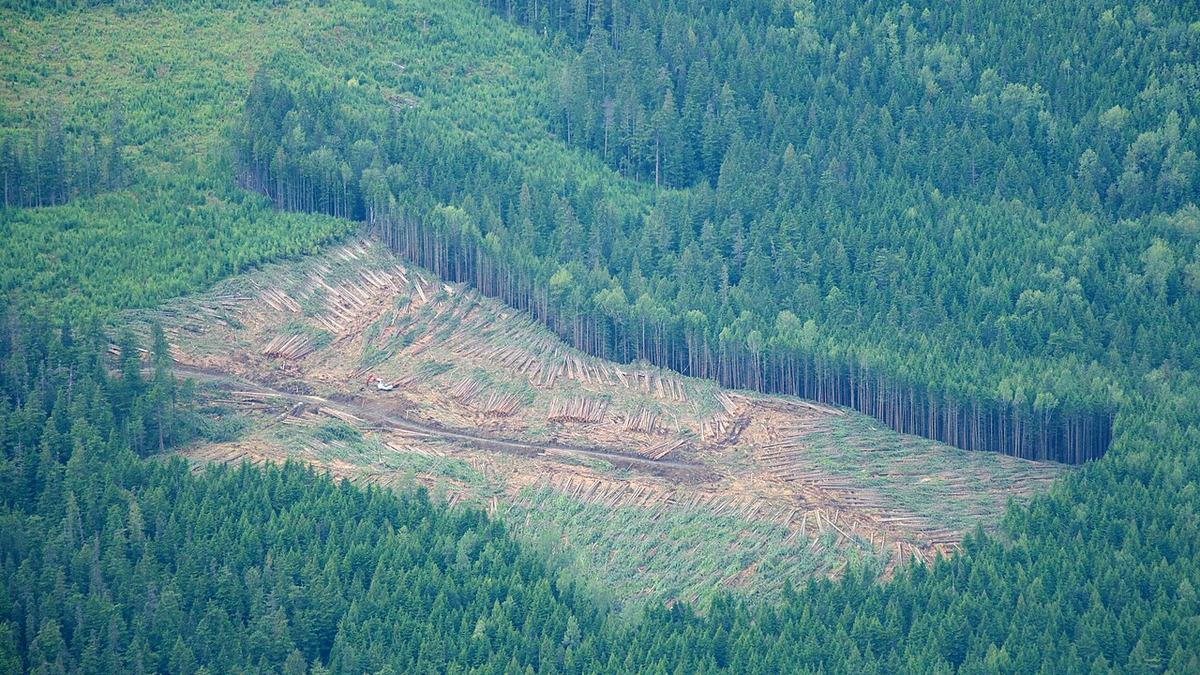
Clearcut slope — this is what 'no root system' looks like
ESSENTIAL KNOWLEDGE · CED 原文(2 条,点开对照)
- EIN-2.B.1Clearcutting can be economically advantageous but leads to soil erosion, increased soil and stream temperatures, and flooding.
- EIN-2.B.2Forests contain trees that absorb pollutants and store carbon dioxide. The cutting and burning of trees releases carbon dioxide and contributes to climate change.
核心要点 · What actually gets tested
- Clearcutting 皆伐 = 一次性砍光整片林子(不是择伐 selective cutting)
- 经济上有利:效率高、成本低 —— 这是它存在的理由,别只写坏处
- 后果四连:土壤侵蚀 · 土壤与溪流温度升高 · 洪水 · 碳排放
- 失去树冠 = 失去遮阴 → 溪流升温 → 溶氧下降 → 水生生物受损
- 失去根系 = 没有东西固土 → 雨水直接冲走 A 层表土
Clearcutting 皆伐:把一片林地上的树木全部砍伐移除的采伐方式。对比:selective cutting 择伐只砍特定树木,保留林冠结构和根系 —— FRQ 里常让你比较两者。
官方关键词 · Key Terms
clearcutting 皆伐selective cutting 择伐soil erosion 土壤侵蚀flooding 洪水carbon sink 碳汇stream temperature 溪流温度
📊 Weight
10–15%
⭐ Priority
⭐⭐⭐⭐
📝 Tested as
MCQ 概念
AP® EXAM TIP
CED 原文明确写了 economically advantageous。答题时如果只列坏处,会被判为「分析不全面」。正确写法:短期经济收益 vs 长期环境成本,两边都要写。
去哪学 · WHERE TO LEARN
💡
引导提问:为什么皆伐之后河里的鱼会减少?写出从「树木消失」到「鱼减少」的完整因果链(至少 4 步)。
⚡ AP Study Hub · ace your exams at ap-study.comUNIT 5 · GUIDE DECK
Unit 5 · 4 / 33
College Board AP® Environmental ScienceUNIT 5 · CED TOPIC 5.3
✏️Your notes
🌾
CED Topic 5.3 · 知识引导
The Green Revolution
EIN-2.CLearning Objective · 学习目标
Describe changes in agricultural practices.
描述农业实践的变化。
ESSENTIAL KNOWLEDGE · CED 原文(2 条,点开对照)
- EIN-2.C.1The Green Revolution started a shift to new agricultural strategies and practices in order to increase food production, with both positive and negative results. Some of these strategies and methods are mechanization, genetically modified organisms (GMOs), fertilization, irrigation, and the use of…
- EIN-2.C.2Mechanization of farming can increase profits and efficiency for farms. It can also increase reliance on fossil fuels.
核心要点 · What actually gets tested
- Green Revolution 绿色革命:20 世纪中期开始,为提高粮食产量转向新农业策略
- 五大手段:机械化 · 转基因 GMOs · 施肥 · 灌溉 · 农药
- 正面结果:粮食产量大幅上升,养活了激增的人口
- 负面结果:化石燃料依赖上升、养分径流、地下水超采、抗药性、遗传多样性下降
- ⚠️ CED 的措辞是 both positive and negative results —— 考试必须写两面
Green Revolution 绿色革命:20 世纪中期起,通过机械化、化肥、灌溉、农药和高产作物品种大幅提升粮食产量的农业转型。它让全球粮食供给跟上人口增长,但也把农业绑在了化石燃料上。
官方关键词 · Key Terms
Green Revolution 绿色革命mechanization 机械化GMO (genetically modified organism) 转基因生物fertilization 施肥fossil fuel reliance 化石燃料依赖
📊 Weight
10–15%
⭐ Priority
⭐⭐⭐⭐
📝 Tested as
MCQ 概念
AP® EXAM TIP
「Mechanization 机械化」的双面性是 CED 原文点名的考点:
+ 提高利润与效率(increase profits and efficiency)
− 增加对化石燃料的依赖(increase reliance on fossil fuels)
看到选项只说一面的,通常是错的。
+ 提高利润与效率(increase profits and efficiency)
− 增加对化石燃料的依赖(increase reliance on fossil fuels)
看到选项只说一面的,通常是错的。
去哪学 · WHERE TO LEARN
💡
引导提问:绿色革命让产量翻了几倍,代价是什么?用「input(投入)→ output(产出)→ externality(外部成本)」三栏列出来。
⚡ AP Study Hub · ace your exams at ap-study.comUNIT 5 · GUIDE DECK
Unit 5 · 5 / 33
College Board AP® Environmental ScienceUNIT 5 · PROGRESS CHECK 1
🧭
模块导航 · Checkpoint
你已经拿下 3 个 topic
✅ 已完成 · Covered
- 5.1 The Tragedy of the Commons
- 5.2 Clearcutting
- 5.3 The Green Revolution
⏭️ 接下来 · Up next
- 5.4 Impact of Agricultural Practices
- 5.5 Irrigation Methods
- 5.6 Pest Control Methods
怎么判断你真的会了:合上这一页,能把上面每个 topic 的 CED Learning Objective 编码对应的那句话用自己的话说出来,
并且能举出一个书上没有的例子 —— 这就够了。说不出来的,点回那一页的资源链接,别硬背。
去哪学 · WHERE TO LEARN
⚡ AP Study Hub · ace your exams at ap-study.comUNIT 5 · GUIDE DECK
Unit 5 · 6 / 33
College Board AP® Environmental ScienceUNIT 5 · CED TOPIC 5.4
✏️Your notes
🚜
CED Topic 5.4 · 知识引导
Impact of Agricultural Practices
EIN-2.DLearning Objective · 学习目标
Describe agricultural practices that cause environmental damage.
描述造成环境破坏的农业做法。
ESSENTIAL KNOWLEDGE · CED 原文(1 条,点开对照)
- EIN-2.D.1Agricultural practices that can cause environmental damage include tilling, slash-and-burn farming, and the use of fertilizers.
核心要点 · What actually gets tested
- CED 点名的三种破坏性做法:tilling 翻耕 · slash-and-burn 刀耕火种 · fertilizers 化肥
- Tilling 翻耕:把土翻松 → 表土暴露 → 风蚀水蚀 + 有机质加速分解
- Slash-and-burn 刀耕火种:砍倒植被焚烧 → 短期灰分增肥,长期土壤退化 + 碳排放
- Fertilizers 化肥:过量 N、P 随径流进入水体 → 富营养化 → 死区(Unit 8 详讲)
- 🔗 这是 Unit 5 和 Unit 8 的接缝:农业做法 → 养分径流 → 水体污染
Slash-and-burn 刀耕火种:砍倒植被、晒干后焚烧,用草木灰短期提高土壤肥力的耕作方式。肥力几年内耗尽后需迁往新地块,因此在人口压力下会造成大面积毁林。
官方关键词 · Key Terms
tilling 翻耕slash-and-burn 刀耕火种fertilizer 化肥eutrophication 富营养化nutrient runoff 养分径流
📊 Weight
10–15%
⭐ Priority
⭐⭐⭐⭐⭐
📝 Tested as
FRQ 高频
AP® EXAM TIP
这是 FRQ 2 的常客题型。答题模板:
① 点名做法(tilling / slash-and-burn / fertilizer use)
② 写出机制(how 它造成破坏,不能只说「有害」)
③ 写出后果(erosion / runoff / 碳排放 / 肥力下降)
① 点名做法(tilling / slash-and-burn / fertilizer use)
② 写出机制(how 它造成破坏,不能只说「有害」)
③ 写出后果(erosion / runoff / 碳排放 / 肥力下降)
去哪学 · WHERE TO LEARN
💡
引导提问:刀耕火种在人口密度低时可以持续,在人口密度高时就会毁林。中间的变量是什么?(提示:休耕周期的长度)
⚡ AP Study Hub · ace your exams at ap-study.comUNIT 5 · GUIDE DECK
Unit 5 · 7 / 33
College Board AP® Environmental ScienceUNIT 5 · CED TOPIC 5.5
✏️Your notes
💧
CED Topic 5.5 · 知识引导
Irrigation Methods
EIN-2.ELearning Objective · 学习目标
Describe different methods of irrigation.
描述不同的灌溉方式。
EIN-2.FLearning Objective · 学习目标
Describe the benefits and drawbacks of different methods of irrigation.
描述不同灌溉方式的利弊。
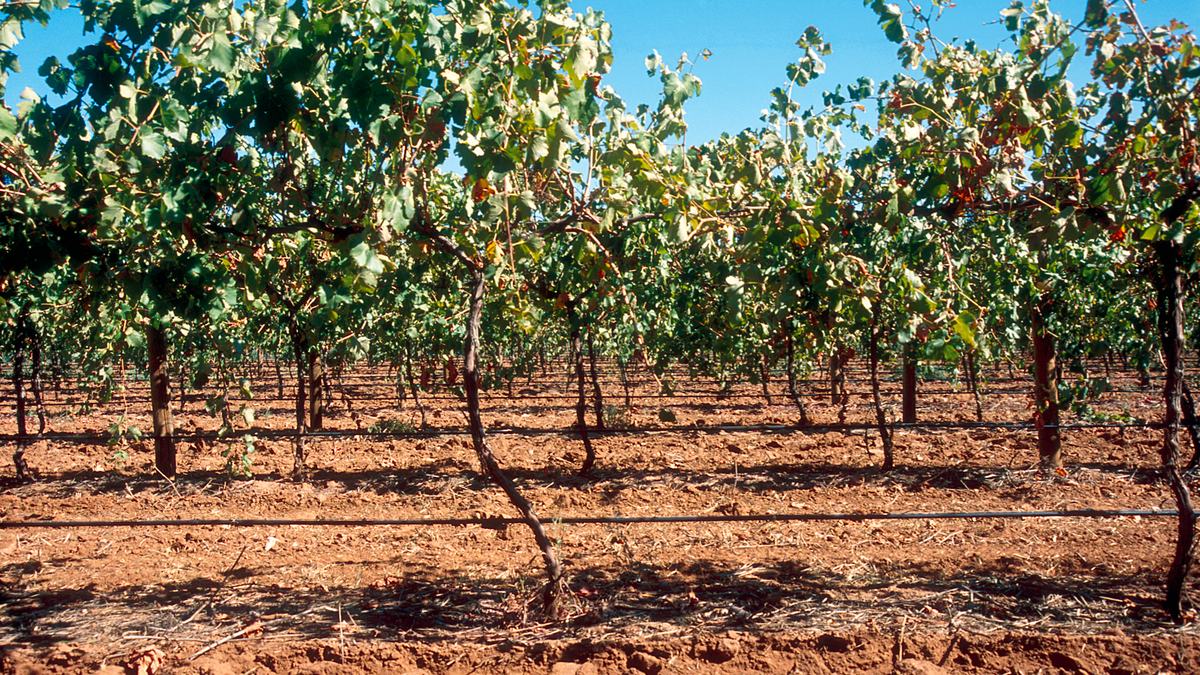
Drip irrigation tape delivering water straight to the root zone
ESSENTIAL KNOWLEDGE · CED 原文(7 条,点开对照)
- EIN-2.E.1The largest human use of freshwater is for irrigation (70%).
- EIN-2.E.2Types of irrigation include drip irrigation, flood irrigation, furrow irrigation, drip irrigation, and spray irrigation.
- EIN-2.F.2Furrow irrigation involves cutting furrows between crop rows and filling them with water. This system is inexpensive, but about 1/3 of the water is lost to evaporation and runoff.
- EIN-2.F.3Flood irrigation involves flooding an agricultural field with water. This system sees about 20% of the water lost to evaporation and runoff. This can also lead to waterlogging of the soil.
- EIN-2.F.5Drip irrigation uses perforated hoses to release small amounts of water to plant roots. This system is the most efficient, with only about 5% of water lost to evaporation and runoff. However, this system is expensive and so is not often used.
- EIN-2.F.1Waterlogging occurs when too much water is left to sit in the soil, which raises the water table of groundwater and inhibits plants’ ability to absorb oxygen through their roots.
- EIN-2.F.4Spray irrigation involves pumping ground water into spray nozzles across an agricultural field. This system is more efficient than flood and furrow irrigation, with only 1/4 or less of the water lost to evaporation or runoff. However, spray systems are more expensive than flood and furrow…
核心要点 · What actually gets tested
- 🌍 淡水最大的人为用途是灌溉,占 70% —— 这是必背数字
- 四种方式:furrow 沟灌 · flood 漫灌 · spray 喷灌 · drip 滴灌
- 效率排序:drip 最高效(约 5% 损失) > flood(20%)> spray(≤1/4)> furrow(约 1/3)
- 但 drip 和 spray 更贵;furrow 最便宜 —— 效率与成本反向
- 三大副作用:waterlogging 渍水 · salinization 盐碱化 · aquifer depletion 地下水超采
Salinization 盐碱化:灌溉水蒸发后,溶解的盐分留在土壤中并逐年累积,最终使土壤对植物有毒。干旱区灌溉农业的头号土壤问题。
官方关键词 · Key Terms
drip irrigation 滴灌flood irrigation 漫灌furrow irrigation 沟灌spray irrigation 喷灌waterlogging 渍水salinization 盐碱化aquifer depletion 地下水超采
📊 Weight
10–15%
⭐ Priority
⭐⭐⭐⭐⭐
📝 Tested as
MCQ 对比
AP® EXAM TIP
「最高效 vs 最便宜」是本 topic 的核心矛盾,也是 MCQ 最爱挖的坑:
题目问 most efficient → 选 drip
题目问 least expensive → 选 furrow
题目问为什么用得不广 → 答 expensive
题目问 most efficient → 选 drip
题目问 least expensive → 选 furrow
题目问为什么用得不广 → 答 expensive
去哪学 · WHERE TO LEARN
💡
引导提问:美国中部 Ogallala 含水层被抽了几十年。它属于可再生资源还是不可再生?理由是什么?
⚡ AP Study Hub · ace your exams at ap-study.comUNIT 5 · GUIDE DECK
Unit 5 · 8 / 33
College Board AP® Environmental ScienceUNIT 5 · CED TOPIC 5.6
✏️Your notes
🐛
CED Topic 5.6 · 知识引导
Pest Control Methods
EIN-2.GLearning Objective · 学习目标
Describe the benefits and drawbacks of different methods of pest control.
描述不同虫害防治方法的利弊。
ESSENTIAL KNOWLEDGE · CED 原文(2 条,点开对照)
- EIN-2.G.1One consequence of using common pest-control methods such as pesticides, herbicides, fungicides, rodenticides, and insecticides is that organisms can become resistant to them through artificial selection. Pest control decreases crop damage by pest and increases crop yields.
- EIN-2.G.2Crops can be genetically engineered to increase their resistance to pests and diseases. However, using genetically engineered crops in planting or other ways can lead to loss of genetic diversity of that particular crop.
核心要点 · What actually gets tested
- 常见药剂五类:pesticides · herbicides · fungicides · rodenticides · insecticides
- 好处:减少虫害、提高产量(decreases crop damage, increases crop yields)
- 坏处:目标生物通过人工选择 artificial selection 产生抗药性 resistance
- 机制:药剂杀死敏感个体 → 耐药个体存活繁殖 → 下一代整体更耐药
- GMO 抗虫作物:提高抗性,但会导致该作物遗传多样性下降
Artificial selection 人工选择:人类活动(这里指施药)充当选择压力,定向保留具有耐药基因的个体。和自然选择机制相同,只是选择压力来自人。它是抗药性的唯一解释。
官方关键词 · Key Terms
pesticide / herbicide / fungicide 杀虫剂 / 除草剂 / 杀菌剂rodenticide / insecticide 灭鼠剂 / 杀虫剂resistance 抗药性artificial selection 人工选择genetic diversity 遗传多样性
📊 Weight
10–15%
⭐ Priority
⭐⭐⭐⭐
📝 Tested as
MCQ + FRQ 解释
AP® EXAM TIP
「抗药性怎么产生的」务必用这三个词串起来:
genetic variation → differential survival → heritable resistance
写「虫子习惯了药」或「药变弱了」一律不得分,因为都没提到可遗传的基因频率改变。
genetic variation → differential survival → heritable resistance
写「虫子习惯了药」或「药变弱了」一律不得分,因为都没提到可遗传的基因频率改变。
去哪学 · WHERE TO LEARN
💡
引导提问:为什么医生建议抗生素要「吃完整个疗程」?这和害虫抗药性是同一个机制吗?说出相同点与不同点。
⚡ AP Study Hub · ace your exams at ap-study.comUNIT 5 · GUIDE DECK
Unit 5 · 9 / 33
College Board AP® Environmental ScienceUNIT 5 · PROGRESS CHECK 2
🧭
模块导航 · Checkpoint
你已经拿下 6 个 topic
✅ 已完成 · Covered
- 5.1 The Tragedy of the Commons
- 5.2 Clearcutting
- 5.3 The Green Revolution
- 5.4 Impact of Agricultural Practices
- 5.5 Irrigation Methods
- 5.6 Pest Control Methods
⏭️ 接下来 · Up next
- 5.7 Meat Production Methods
- 5.8 Impacts of Overfishing
- 5.9 Impacts of Mining
怎么判断你真的会了:合上这一页,能把上面每个 topic 的 CED Learning Objective 编码对应的那句话用自己的话说出来,
并且能举出一个书上没有的例子 —— 这就够了。说不出来的,点回那一页的资源链接,别硬背。
去哪学 · WHERE TO LEARN
⚡ AP Study Hub · ace your exams at ap-study.comUNIT 5 · GUIDE DECK
Unit 5 · 10 / 33
College Board AP® Environmental ScienceUNIT 5 · CED TOPIC 5.7
✏️Your notes
🐄
CED Topic 5.7 · 知识引导
Meat Production Methods
EIN-2.HLearning Objective · 学习目标
Identify different methods of meat production.
识别不同的肉类生产方式。
EIN-2.ILearning Objective · 学习目标
Describe the benefits and drawbacks of different methods of meat production.
描述不同肉类生产方式的利弊。
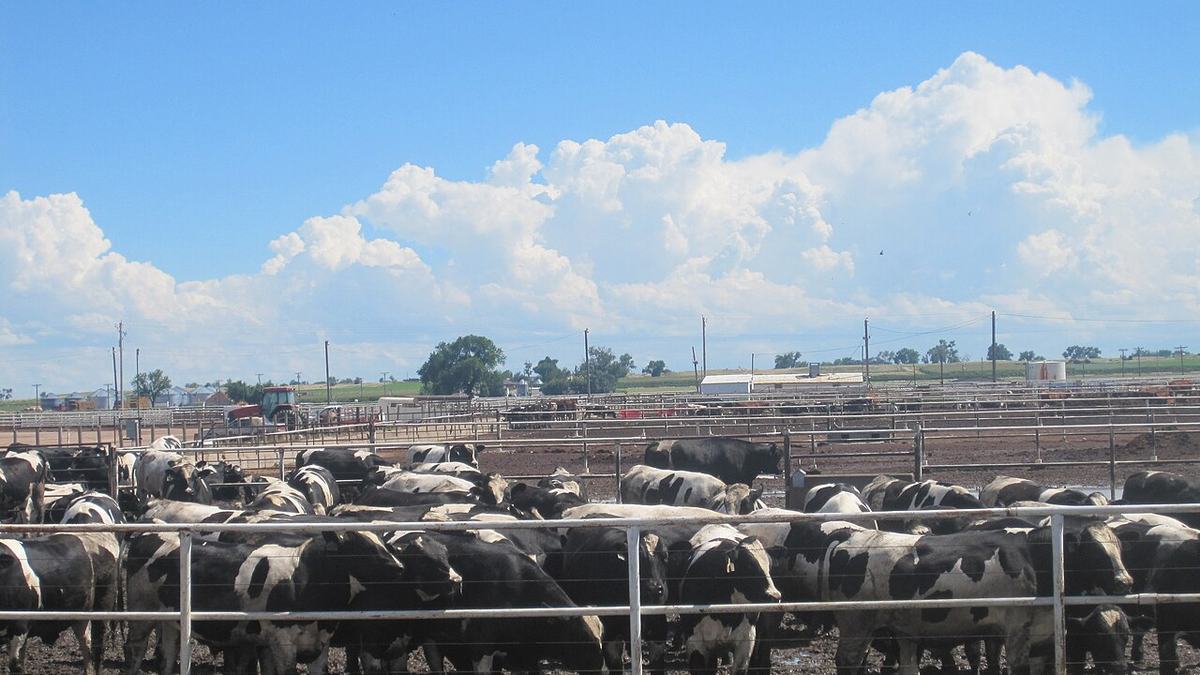
A concentrated animal feeding operation (CAFO)
ESSENTIAL KNOWLEDGE · CED 原文(7 条,点开对照)
- EIN-2.H.1Methods of meat production include concentrated animal feeding operations (CAFOs), also called feedlots, and free-range grazing.
- EIN-2.I.1Meat production is less efficient than agriculture; it takes approximately 20 times more land to produce the same amount of calories from meat as from plants.
- EIN-2.I.4Overgrazing occurs when too many animals feed on a particular area of land. Overgrazing causes loss of vegetation, which leads to soil erosion.
- EIN-2.I.5Overgrazing can cause desertification. Desertification is the degradation of low precipitation regions toward being increasingly arid until they become deserts.
- EIN-2.I.2Concentrated animal feeding operations (CAFOs) are used as a way to quickly get livestock ready for slaughter. They tend to be crowded, and animals are fed grains or feed that are not as suitable as grass. Additionally, feedlots generate a large amount of organic waste, which can contaminate ground…
- EIN-2.I.3Free range grazing allows animals to graze on grass during their entire lifecycle. Meat from free range animals tends to be free from antibiotics and other chemicals used in feedlots. Organic waste from these animals acts as fertilizer. Free range grazing requires large areas of land and the meat…
- EIN-2.I.6Less consumption of meat could reduce CO2, methane, and N2O emissions; conserve water; reduce the use of antibiotics and growth hormones; and improve topsoil.
核心要点 · What actually gets tested
- 两种方式:CAFO / feedlot 集中饲养 与 free-range grazing 散养放牧
- 🔢 核心数字:同样热量,肉类需要约 20 倍于植物的土地
- CAFO:成本低、肉价便宜,但粪便量大污染水体、需抗生素、产生甲烷
- Free-range:无抗生素、粪便作肥,但需要大面积土地、肉价更贵
- Overgrazing 过度放牧 → 植被消失 → 土壤侵蚀 → desertification 荒漠化
Desertification 荒漠化:低降水地区因过度放牧/不合理耕作而持续退化、越来越干旱,最终变成沙漠的过程。注意:它是土地退化,不是沙漠自然扩张。
官方关键词 · Key Terms
CAFO / feedlot 集中动物饲养场free-range grazing 散养放牧overgrazing 过度放牧desertification 荒漠化rotational grazing 轮牧
📊 Weight
10–15%
⭐ Priority
⭐⭐⭐⭐⭐
📝 Tested as
MCQ + FRQ 对比
AP® EXAM TIP
CED 原文列了「少吃肉」的 5 条好处,FRQ 里能默写就有分:
减少 CO₂ / CH₄ / N₂O 排放 · 节约水 · 减少抗生素与生长激素使用 · 改善表土(还有一条是降低土地需求)。
去哪学 · WHERE TO LEARN
💡
引导提问:营养级能量传递效率只有约 10%。用这个数字解释为什么肉类需要 20 倍土地(提示:不是正好 10 倍,想想还有哪些损耗)。
⚡ AP Study Hub · ace your exams at ap-study.comUNIT 5 · GUIDE DECK
Unit 5 · 11 / 33
College Board AP® Environmental ScienceUNIT 5 · CED TOPIC 5.8
✏️Your notes
🐟
CED Topic 5.8 · 知识引导
Impacts of Overfishing
EIN-2.JLearning Objective · 学习目标
Describe causes of and problems related to overfishing.
描述过度捕捞的成因与问题。
ESSENTIAL KNOWLEDGE · CED 原文(1 条,点开对照)
- EIN-2.J.1Overfishing has led to the extreme scarcity of some fish species, which can lessen biodiversity in aquatic systems and harm people who depend on fishing for food and commerce.
核心要点 · What actually gets tested
- 成因:捕捞强度超过鱼群的自然补充速度(超过 MSY 顶点)
- 直接后果:某些鱼种极度稀缺(extreme scarcity)
- 生态后果:水生系统生物多样性下降(lessen biodiversity)
- 社会后果:危害以捕鱼为食和生计的人(food and commerce)
- 解法:捕捞配额 · 禁渔期/禁渔区 · 网具限制 · 海洋保护区
Overfishing 过度捕捞:捕捞速率超过鱼群自然繁殖补充的速率,导致种群持续下降、无法恢复。它是 tragedy of the commons(5.1) 在公海上的经典案例。
官方关键词 · Key Terms
overfishing 过度捕捞fishery collapse 渔业崩溃catch limit / quota 捕捞限额 / 配额MSY 最大可持续产量marine protected area 海洋保护区
📊 Weight
10–15%
⭐ Priority
⭐⭐⭐⭐
📝 Tested as
MCQ 概念
AP® EXAM TIP
答题时把生态 + 社会两条都写上,这是 CED 原文的并列结构:
① lessen biodiversity in aquatic systems
② harm people who depend on fishing for food and commerce
只写「鱼变少了」只能拿一半分。
① lessen biodiversity in aquatic systems
② harm people who depend on fishing for food and commerce
只写「鱼变少了」只能拿一半分。
去哪学 · WHERE TO LEARN
💡
引导提问:公海的鱼是谁的?用 5.1 的公地悲剧框架,解释为什么渔民明知会崩溃仍然继续捕捞。
⚡ AP Study Hub · ace your exams at ap-study.comUNIT 5 · GUIDE DECK
Unit 5 · 12 / 33
College Board AP® Environmental ScienceUNIT 5 · CED TOPIC 5.9
✏️Your notes
⛏️
CED Topic 5.9 · 知识引导
Impacts of Mining
EIN-2.KLearning Objective · 学习目标
Describe natural resource extraction through mining.
描述采矿式的自然资源开采。
EIN-2.LLearning Objective · 学习目标
Describe ecological and economic impacts of natural resource extraction through mining.
描述采矿的生态与经济影响。
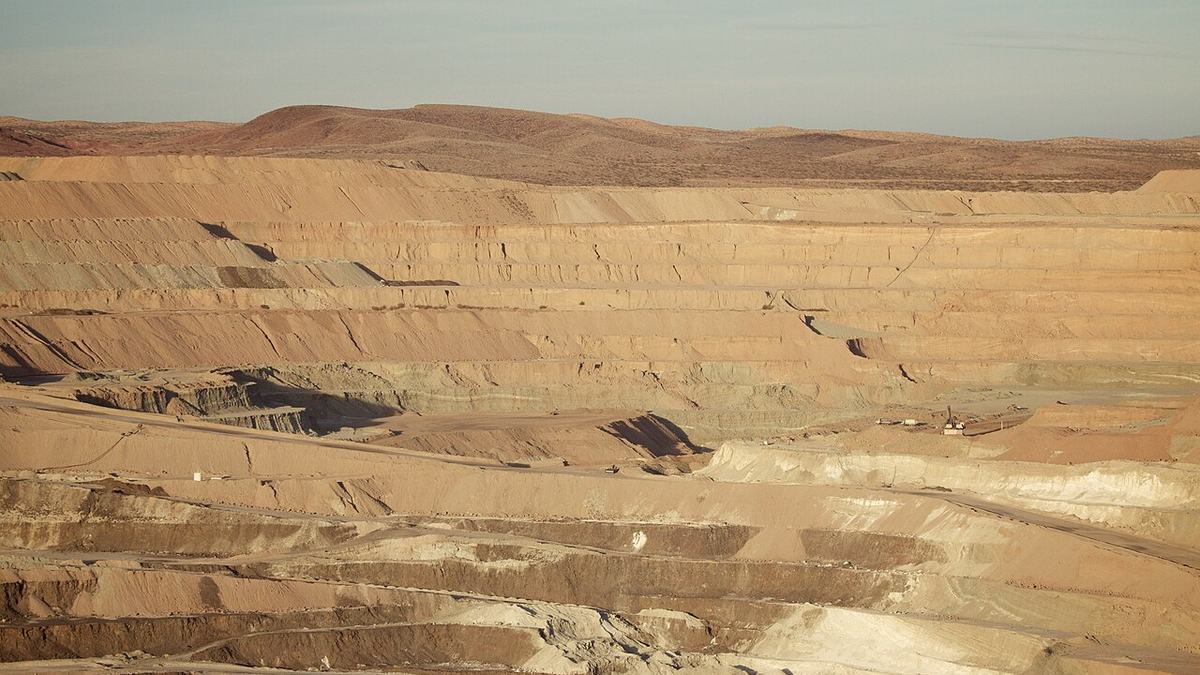
Open-pit mine — the scale of the overburden is the story
ESSENTIAL KNOWLEDGE · CED 原文(4 条,点开对照)
- EIN-2.K.1As the more accessible ores are mined to depletion, mining operations are forced to access lower grade ores. Accessing these ores requires increased use of resources that can cause increased waste and pollution.
- EIN-2.K.2Surface mining is the removal of large portions of soil and rock, called overburden, in order to access the ore underneath. An example is strip mining, which removes the vegetation from an area, making the area more susceptible to erosion.
- EIN-2.L.1Mining wastes include the soil and rocks that are moved to gain access to the ore and the waste, called slag and tailings that remain when the minerals have been removed from the ore. Mining helps to provide low cost energy and material necessary to make products. The mining of coal can destroy…
- EIN-2.L.2As coal reserves get smaller, due to a lack of easily accessible reserves, it becomes necessary to access coal through subsurface mining, which is very expensive.
核心要点 · What actually gets tested
- Surface mining 地表开采:移除大片土石(overburden 覆盖层)以取得下方矿石
- 典型形式:strip mining 露天剥离开采 —— 清除植被,使地表更易侵蚀
- 废弃物两类:slag 炉渣 和 tailings 尾矿(矿物被提取后剩下的东西)
- 品位下降定律:易采矿石耗尽 → 转向低品位矿 → 更多资源投入 + 更多废石与污染
- 煤矿尤其:破坏栖息地 · 污染地下水 · 释放粉尘与甲烷
Overburden 覆盖层:覆盖在矿体之上的土壤和岩石,必须先整体剥离才能采矿。它被移走后植被全无,是地表开采造成侵蚀的直接原因。
官方关键词 · Key Terms
surface mining 地表开采strip mining 剥离开采overburden 覆盖层slag 炉渣tailings 尾矿ore grade 矿石品位subsurface mining 井下开采
📊 Weight
10–15%
⭐ Priority
⭐⭐⭐⭐
📝 Tested as
MCQ 概念
AP® EXAM TIP
slag 和 tailings 要分清:
slag 炉渣 = 冶炼过程中产生的玻璃质废渣
tailings 尾矿 = 选矿后剩下的细粒废浆
两者常一起考,混用会丢分。
slag 炉渣 = 冶炼过程中产生的玻璃质废渣
tailings 尾矿 = 选矿后剩下的细粒废浆
两者常一起考,混用会丢分。
去哪学 · WHERE TO LEARN
💡
引导提问:为什么开采低品位矿会产生「更多」污染?如果技术进步提高了开采效率,这个趋势会反转吗?
⚡ AP Study Hub · ace your exams at ap-study.comUNIT 5 · GUIDE DECK
Unit 5 · 13 / 33
College Board AP® Environmental ScienceUNIT 5 · PROGRESS CHECK 3
🧭
模块导航 · Checkpoint
你已经拿下 9 个 topic
✅ 已完成 · Covered
- 5.1 The Tragedy of the Commons
- 5.2 Clearcutting
- 5.3 The Green Revolution
- 5.4 Impact of Agricultural Practices
- 5.5 Irrigation Methods
- 5.6 Pest Control Methods
- 5.7 Meat Production Methods
- 5.8 Impacts of Overfishing
- 5.9 Impacts of Mining
⏭️ 接下来 · Up next
- 5.10 Impacts of Urbanization
- 5.11 Ecological Footprints
- 5.12 Introduction to Sustainability
怎么判断你真的会了:合上这一页,能把上面每个 topic 的 CED Learning Objective 编码对应的那句话用自己的话说出来,
并且能举出一个书上没有的例子 —— 这就够了。说不出来的,点回那一页的资源链接,别硬背。
去哪学 · WHERE TO LEARN
⚡ AP Study Hub · ace your exams at ap-study.comUNIT 5 · GUIDE DECK
Unit 5 · 14 / 33
College Board AP® Environmental ScienceUNIT 5 · CED TOPIC 5.10
✏️Your notes
🏙️
CED Topic 5.10 · 知识引导
Impacts of Urbanization
EIN-2.MLearning Objective · 学习目标
Describe the effects of urbanization on the environment.
描述城市化对环境的影响。
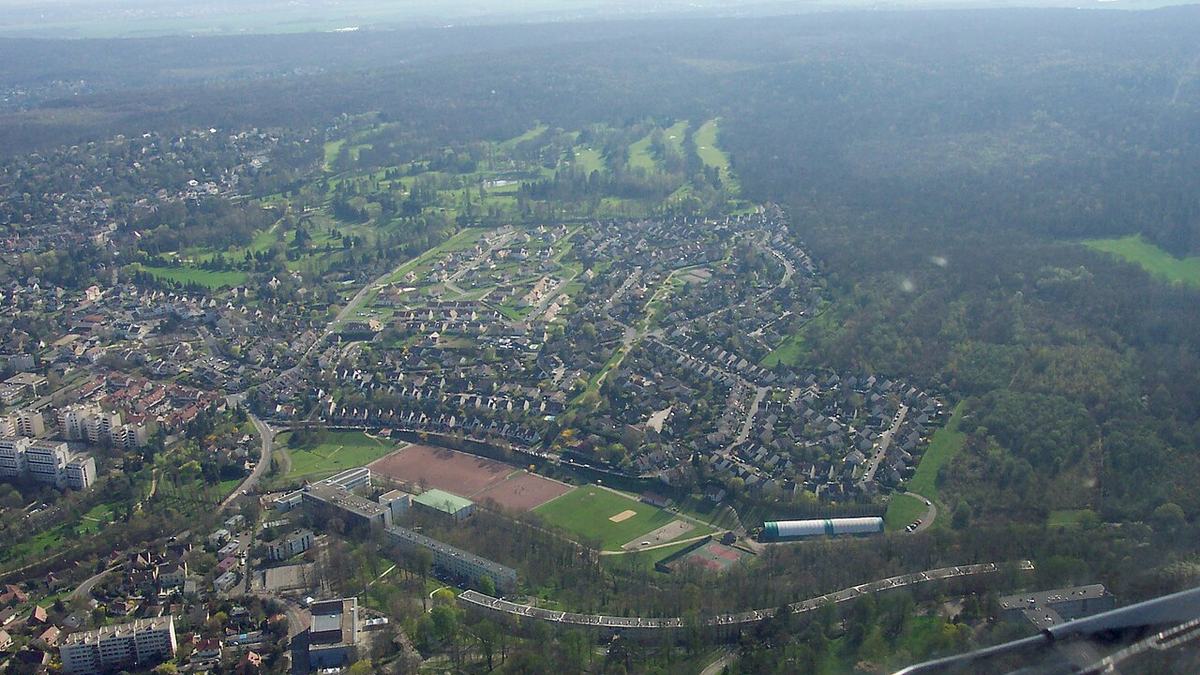
Urban sprawl seen from above — pavement as far as the eye can see
ESSENTIAL KNOWLEDGE · CED 原文(4 条,点开对照)
- EIN-2.M.1Urbanization can lead to depletion of resources and saltwater intrusion in the hydrologic cycle.
- EIN-2.M.2Urbanization, through the burning of fossil fuels and landfills, affects the carbon cycle by increasing the amount of carbon dioxide in the atmosphere.
- EIN-2.M.3Impervious surfaces are human-made structures—such as roads, buildings, sidewalks, and parking lots—that do not allow water to reach the soil, leading to flooding.
- EIN-2.M.4Urban sprawl is the change in population distribution from high population density areas to low density suburbs that spread into rural lands, leading to potential environmental problems.
核心要点 · What actually gets tested
- Impervious surfaces 不透水面:道路、建筑、人行道、停车场 —— 水到不了土壤
- 直接后果:径流增加 → 洪水,同时地下水补给减少
- Saltwater intrusion 海水入侵:超采地下水导致海水倒灌进淡水含水层
- 碳循环:化石燃料燃烧 + 垃圾填埋 → 大气 CO₂ 增加
- Urban sprawl 城市蔓延:人口从高密度区迁往低密度郊区,吞并乡村土地
Impervious surface 不透水面:人造结构(道路、建筑、人行道、停车场),阻止水分到达土壤。它同时造成两件事:径流增加(洪水)和下渗减少(地下水补给不足)。
官方关键词 · Key Terms
impervious surface 不透水面urban sprawl 城市蔓延saltwater intrusion 海水入侵urban heat island 城市热岛runoff 地表径流infiltration 下渗
📊 Weight
10–15%
⭐ Priority
⭐⭐⭐⭐⭐
📝 Tested as
MCQ + FRQ 读图
AP® EXAM TIP
FRQ 常给一张城市地图让你分析径流问题。标准答案链条:
more impervious surfaces → less infiltration → more surface runoff → increased flooding + reduced groundwater recharge
还要补一句 urban heat island(城市热岛)如果题目提到温度。
more impervious surfaces → less infiltration → more surface runoff → increased flooding + reduced groundwater recharge
还要补一句 urban heat island(城市热岛)如果题目提到温度。
去哪学 · WHERE TO LEARN
💡
引导提问:一个城市把郊区的农田改成了购物中心。用 CED 的三个 EK 分别说明:水循环、碳循环、土地分布各发生了什么变化?
⚡ AP Study Hub · ace your exams at ap-study.comUNIT 5 · GUIDE DECK
Unit 5 · 15 / 33
College Board AP® Environmental ScienceUNIT 5 · CED TOPIC 5.11
✏️Your notes
👣
CED Topic 5.11 · 知识引导
Ecological Footprints
EIN-2.NLearning Objective · 学习目标
Explain the variables measured in an ecological footprint.
解释生态足迹所衡量的变量。
ESSENTIAL KNOWLEDGE · CED 原文(1 条,点开对照)
- EIN-2.N.1Ecological footprints compare resource demands and waste production required for an individual or a society.
核心要点 · What actually gets tested
- Ecological footprint 生态足迹衡量两件事:资源需求 + 废弃物产生
- 比较对象:可以是个人,也可以是整个社会
- 主要构成:carbon 碳 · food 食物 · housing 住房 · goods & services 商品与服务
- 比较基准:地球的生物承载力(biocapacity)—— 能不能再生出这么多资源
- 🔗 与 Unit 3 的人口增长、Unit 9 的可持续性直接串联
Ecological footprint 生态足迹:衡量一个人或社会所需的资源需求量与废弃物产生量的指标,通常折算成「需要多少个地球」来表达。
官方关键词 · Key Terms
ecological footprint 生态足迹biocapacity 生物承载力resource demand 资源需求waste production 废弃物产生
📊 Weight
10–15%
⭐ Priority
⭐⭐⭐⭐
📝 Tested as
MCQ 定义
AP® EXAM TIP
这是本单元最容易被低估的考点。MCQ 常问「footprint 衡量什么」,答案必须同时包含 resource demand 和 waste production —— 只写其中一个的选项就是干扰项。
去哪学 · WHERE TO LEARN
💡
引导提问:为什么生态足迹要把「碳排放」折算成土地面积?这种折算背后的假设是什么?
⚡ AP Study Hub · ace your exams at ap-study.comUNIT 5 · GUIDE DECK
Unit 5 · 16 / 33
College Board AP® Environmental ScienceUNIT 5 · CED TOPIC 5.12
✏️Your notes
♻️
CED Topic 5.12 · 知识引导
Introduction to Sustainability
STB-1.ALearning Objective · 学习目标
Explain the concept of sustainability.
解释可持续性的概念。
ESSENTIAL KNOWLEDGE · CED 原文(2 条,点开对照)
- STB-1.A.1Sustainability refers to humans living on Earth and their use of resources without depletion of the resources for future generations. Environmental indicators that can guide humans to sustainability include biological diversity, food production, average global surface temperatures and CO2…
- STB-1.A.2Sustainable yield is the amount of a renewable resource that can be taken without reducing the available supply.
核心要点 · What actually gets tested
- Sustainability 可持续性:人类使用资源,但不为后代耗尽这些资源
- Sustainable yield 可持续产量:可再生资源在不减少存量的前提下可取走的量
- 五个环境指标(必背):生物多样性 · 粮食产量 · 全球平均地表温度与 CO₂ 浓度 · 人口 · 资源枯竭
- 核心分界:取利息,不动本金(take the interest, not the principal)
- 🔗 5.12 是 STB-1 的开篇,后面 5.13–5.17 全是它的具体解法
Sustainable yield 可持续产量:在不减少可用存量的前提下,可以从可再生资源中取走的量。最大值叫 MSY(maximum sustainable yield) —— 超过它就开始「吃本金」。
官方关键词 · Key Terms
sustainability 可持续性sustainable yield 可持续产量MSY 最大可持续产量environmental indicator 环境指标renewable resource 可再生资源
📊 Weight
10–15%
⭐ Priority
⭐⭐⭐⭐⭐
📝 Tested as
MCQ 概念 + FRQ
AP® EXAM TIP
五个 environmental indicators 是默写题。记忆口诀:
「B-F-T-P-R」 = Biodiversity · Food production · Temperature & CO₂ · Population · Resource depletion
去哪学 · WHERE TO LEARN
💡
引导提问:森林是「可再生资源」,但砍光了就是不可再生的。这个矛盾该怎么用 sustainable yield 解释?
⚡ AP Study Hub · ace your exams at ap-study.comUNIT 5 · GUIDE DECK
Unit 5 · 17 / 33
College Board AP® Environmental ScienceUNIT 5 · PROGRESS CHECK 4
🧭
模块导航 · Checkpoint
你已经拿下 12 个 topic
✅ 已完成 · Covered
- 5.1 The Tragedy of the Commons
- 5.2 Clearcutting
- 5.3 The Green Revolution
- 5.4 Impact of Agricultural Practices
- 5.5 Irrigation Methods
- 5.6 Pest Control Methods
- 5.7 Meat Production Methods
- 5.8 Impacts of Overfishing
- 5.9 Impacts of Mining
- 5.10 Impacts of Urbanization
- 5.11 Ecological Footprints
- 5.12 Introduction to Sustainability
⏭️ 接下来 · Up next
- 5.13 Methods to Reduce Urban Runoff
- 5.14 Integrated Pest Management
- 5.15 Sustainable Agriculture
怎么判断你真的会了:合上这一页,能把上面每个 topic 的 CED Learning Objective 编码对应的那句话用自己的话说出来,
并且能举出一个书上没有的例子 —— 这就够了。说不出来的,点回那一页的资源链接,别硬背。
去哪学 · WHERE TO LEARN
⚡ AP Study Hub · ace your exams at ap-study.comUNIT 5 · GUIDE DECK
Unit 5 · 18 / 33
College Board AP® Environmental ScienceUNIT 5 · CED TOPIC 5.13
✏️Your notes
🌿
CED Topic 5.13 · 知识引导
Methods to Reduce Urban Runoff
STB-1.BLearning Objective · 学习目标
Describe methods for mitigating problems related to urban runoff.
描述缓解城市径流问题的方法。
ESSENTIAL KNOWLEDGE · CED 原文(1 条,点开对照)
- STB-1.B.1Methods to increase water infiltration include replacing traditional pavement with permeable pavement, planting trees, increased use of public transportation, and building up, not out.
核心要点 · What actually gets tested
- CED 点名的四种增加下渗的方法:
- ① Permeable pavement 透水铺装 —— 替代传统沥青/水泥
- ② Planting trees 植树 —— 树冠截留 + 根系促渗
- ③ Increased public transportation 发展公共交通 —— 减少道路与停车场面积
- ④ Building up, not out 向上而非向外 —— 提高密度,少占土地
- (延伸)green roof 绿色屋顶 · rain garden / bioswale 雨水花园
Permeable pavement 透水铺装:允许雨水直接穿透并下渗的铺装材料(透水混凝土、透水砖、植草砖等),用来替代不透水的传统沥青与水泥路面。
官方关键词 · Key Terms
permeable pavement 透水铺装green roof 绿色屋顶rain garden 雨水花园bioswale 生态草沟build up, not out 向上而非向外infiltration 下渗
📊 Weight
10–15%
⭐ Priority
⭐⭐⭐⭐⭐
📝 Tested as
FRQ 解决方案
AP® EXAM TIP
这是 5.10 的镜像页:5.10 列问题,5.13 列解法。FRQ 常把两页合起来考 —— 先 describe 问题(impervious surface → runoff → flooding),再 propose 一个解法及其机制。
⚠️ 只写「种树」而不解释为什么能增加下渗,只能拿一半分。
去哪学 · WHERE TO LEARN
💡
引导提问:为什么「发展公共交通」也能减少径流?写出从公交到径流的完整逻辑链(至少 3 步)。
⚡ AP Study Hub · ace your exams at ap-study.comUNIT 5 · GUIDE DECK
Unit 5 · 19 / 33
College Board AP® Environmental ScienceUNIT 5 · CED TOPIC 5.14
✏️Your notes
🪲
CED Topic 5.14 · 知识引导
Integrated Pest Management
STB-1.CLearning Objective · 学习目标
Describe integrated pest management.
描述综合害虫管理。
STB-1.DLearning Objective · 学习目标
Describe the benefits and drawbacks of integrated pest management (IPM).
描述综合害虫管理的利弊。
ESSENTIAL KNOWLEDGE · CED 原文(3 条,点开对照)
- STB-1.C.1Integrated pest management (IPM) is a combination of methods used to effectively control pest species while minimizing the disruption to the environment. These methods include biological, physical, and limited chemical methods such as biocontrol, intercropping, crop rotation, and natural predators…
- STB-1.D.1The use of integrated pest management (IPM) reduces the risk that pesticides pose to wildlife, water supplies, and human health.
- STB-1.D.2Integrated pest management (IPM) minimizes disruptions to the environment and threats to human health but can be complex and expensive.
核心要点 · What actually gets tested
- IPM 综合害虫管理 = 多种方法组合控制害虫,同时最小化对环境的干扰
- 手段包括:监测预警 · 轮作等文化防治 · 天敌等生物防治 · 精准少量用药
- 好处:降低农药对野生生物、水源、人体健康的风险
- 坏处:复杂且昂贵(complex and expensive)
- 🔗 它是 5.6「抗药性」的解法 —— 5.6 和 5.14 是成对考点
IPM (Integrated Pest Management) 综合害虫管理:把生物、文化、物理、化学手段组合使用的害虫管理策略,目标是在有效控制害虫的同时尽量减少对环境的干扰。化学药剂是最后手段,不是第一手段。
官方关键词 · Key Terms
IPM 综合害虫管理biological control 生物防治cultural control 文化防治economic threshold 经济阈值pesticide risk 农药风险
📊 Weight
10–15%
⭐ Priority
⭐⭐⭐⭐⭐
📝 Tested as
MCQ + FRQ 对比
AP® EXAM TIP
利弊必须成对写,这是 CED 的明文结构(STB-1.D.1 + STB-1.D.2):
PRO:降低对 wildlife / water supplies / human health 的风险
CON:complex and expensive
FRQ 里只写好处会被判「分析不完整」。
PRO:降低对 wildlife / water supplies / human health 的风险
CON:complex and expensive
FRQ 里只写好处会被判「分析不完整」。
去哪学 · WHERE TO LEARN
💡
引导提问:IPM 贵、复杂、见效慢。那为什么还要推广?从「长期成本」的角度给出两个理由。
⚡ AP Study Hub · ace your exams at ap-study.comUNIT 5 · GUIDE DECK
Unit 5 · 20 / 33
College Board AP® Environmental ScienceUNIT 5 · CED TOPIC 5.15
✏️Your notes
🌱
CED Topic 5.15 · 知识引导
Sustainable Agriculture
STB-1.ELearning Objective · 学习目标
Describe sustainable agricultural and food production practices.
描述可持续的农业与食物生产做法。
ESSENTIAL KNOWLEDGE · CED 原文(3 条,点开对照)
- STB-1.E.1The goal of soil conservation is to prevent soil erosion. Different methods of soil conservation include contour plowing, windbreaks, perennial crops, terracing, no-till agriculture, and strip cropping.
- STB-1.E.2Strategies to improve soil fertility include crop rotation and the addition of green manure and limestone.
- STB-1.E.3Rotational grazing is the regular rotation of livestock between different pastures in order to avoid overgrazing in a particular area.
核心要点 · What actually gets tested
- 土壤保持(防侵蚀):contour plowing 等高耕作 · windbreaks 防风林 · perennial crops 多年生作物 · terracing 梯田 · no-till agriculture 免耕
- 提升肥力:crop rotation 轮作 · green manure 绿肥 · limestone 石灰
- Rotational grazing 轮牧:牲畜在牧场间定期轮换,避免某地过度放牧
- 总目标:防止土壤侵蚀(goal = prevent soil erosion)
- 🔗 这是 5.4「破坏性农业做法」的直接解法
Contour plowing 等高耕作:沿等高线(而不是顺坡)犁地,让犁沟形成一道道小拦水坝,减缓径流速度从而减少土壤冲刷。
官方关键词 · Key Terms
contour plowing 等高耕作terracing 梯田windbreak 防风林no-till agriculture 免耕crop rotation 轮作green manure 绿肥rotational grazing 轮牧perennial crop 多年生作物
📊 Weight
10–15%
⭐ Priority
⭐⭐⭐⭐⭐
📝 Tested as
MCQ 匹配 + FRQ
AP® EXAM TIP
六选一的陷阱:题目给出「一块陡坡上的农田」,问哪种做法最有效 —— 选 terracing 梯田(陡坡专用)。
题目给「平原上的大风区」→ 选 windbreaks 防风林。
题目给「土壤酸化」→ 选 limestone 石灰(中和酸性),不是绿肥。
题目给「平原上的大风区」→ 选 windbreaks 防风林。
题目给「土壤酸化」→ 选 limestone 石灰(中和酸性),不是绿肥。
去哪学 · WHERE TO LEARN
💡
引导提问:梯田和等高耕作都在「减缓径流」,但它们适用的坡度一样吗?如果不一样,分界线大概在哪?
⚡ AP Study Hub · ace your exams at ap-study.comUNIT 5 · GUIDE DECK
Unit 5 · 21 / 33
College Board AP® Environmental ScienceUNIT 5 · PROGRESS CHECK 5
🧭
模块导航 · Checkpoint
你已经拿下 15 个 topic
✅ 已完成 · Covered
- 5.1 The Tragedy of the Commons
- 5.2 Clearcutting
- 5.3 The Green Revolution
- 5.4 Impact of Agricultural Practices
- 5.5 Irrigation Methods
- 5.6 Pest Control Methods
- 5.7 Meat Production Methods
- 5.8 Impacts of Overfishing
- 5.9 Impacts of Mining
- 5.10 Impacts of Urbanization
- 5.11 Ecological Footprints
- 5.12 Introduction to Sustainability
- 5.13 Methods to Reduce Urban Runoff
- 5.14 Integrated Pest Management
- 5.15 Sustainable Agriculture
⏭️ 接下来 · Up next
- 5.16 Aquaculture
- 5.17 Sustainable Forest Management
怎么判断你真的会了:合上这一页,能把上面每个 topic 的 CED Learning Objective 编码对应的那句话用自己的话说出来,
并且能举出一个书上没有的例子 —— 这就够了。说不出来的,点回那一页的资源链接,别硬背。
去哪学 · WHERE TO LEARN
⚡ AP Study Hub · ace your exams at ap-study.comUNIT 5 · GUIDE DECK
Unit 5 · 22 / 33
College Board AP® Environmental ScienceUNIT 5 · CED TOPIC 5.16
✏️Your notes
🐠
CED Topic 5.16 · 知识引导
Aquaculture
STB-1.FLearning Objective · 学习目标
Describe the benefits and drawbacks of aquaculture.
描述水产养殖的利弊。
ESSENTIAL KNOWLEDGE · CED 原文(2 条,点开对照)
- STB-1.F.1Aquaculture has expanded because it is highly efficient, requires only small areas of water, and requires little fuel.
- STB-1.F.2Aquaculture can contaminate wastewater, and fish that escape may compete or breed with wild fish. The density of fish in aquaculture can lead to increases in disease incidences, which can be transmitted to wild fish.
核心要点 · What actually gets tested
- Aquaculture 水产养殖为什么快速扩张:效率极高 · 只需很小水面 · 燃料需求少
- 坏处一:污染废水(残饵与排泄物)
- 坏处二:逃逸的养殖鱼会与野生鱼竞争或杂交
- 坏处三:高密度 → 病害高发 → 可传染给野生鱼群
- 🔗 它是 5.8「过度捕捞」的解法,但自己也有代价
Aquaculture 水产养殖:在受控环境中养殖鱼类、贝类、藻类等水生物种的食物生产方式。它被视为缓解野生渔业压力的手段,但会带来废水污染、逃逸与病害三类问题。
官方关键词 · Key Terms
aquaculture 水产养殖fish farming 养鱼业escapee 逃逸个体disease incidence 病害发生率wastewater contamination 废水污染
📊 Weight
10–15%
⭐ Priority
⭐⭐⭐⭐
📝 Tested as
MCQ 利弊
AP® EXAM TIP
三个坏处是并列结构,缺一不可:
① contaminate wastewater(废水污染)
② escape → compete or breed with wild fish(逃逸竞争/杂交)
③ high density → disease → transmitted to wild fish(高密度病害外溢)
FRQ 里漏一条就丢一分。
① contaminate wastewater(废水污染)
② escape → compete or breed with wild fish(逃逸竞争/杂交)
③ high density → disease → transmitted to wild fish(高密度病害外溢)
FRQ 里漏一条就丢一分。
去哪学 · WHERE TO LEARN
💡
引导提问:如果养殖鱼的饲料来自野生小鱼,水产养殖真的能缓解过度捕捞吗?说出你的判断和理由。
⚡ AP Study Hub · ace your exams at ap-study.comUNIT 5 · GUIDE DECK
Unit 5 · 23 / 33
College Board AP® Environmental ScienceUNIT 5 · CED TOPIC 5.17
✏️Your notes
🌲
CED Topic 5.17 · 知识引导
Sustainable Forest Management
STB-1.GLearning Objective · 学习目标
Describe methods for mitigating human impact on forests.
描述缓解人类对森林影响的方法。
ESSENTIAL KNOWLEDGE · CED 原文(3 条,点开对照)
- STB-1.G.1Some of the methods for mitigating deforestation include reforestation, using and buying wood harvested by ecologically sustainable forestry techniques, and reusing wood.
- STB-1.G.2Methods to protect forests from pathogens and insects include integrated pest management (IPM) and the removal of affected trees.
- STB-1.G.3Prescribed burn is a method by which forests are set on fire under controlled conditions in order to reduce the occurrence of natural fires.
核心要点 · What actually gets tested
- 缓解砍伐:reforestation 再造林 · 使用/购买生态可持续方式采伐的木材 · reuse wood 木材再利用
- 防病虫害:IPM 综合害虫管理 · 移除已感染的树木
- Prescribed burn 计划烧除:在受控条件下人为点火,减少未来自然野火的发生
- 🔗 5.17 是 5.2「皆伐」的解法 —— 全单元首尾呼应
- ⚠️ 别把 prescribed burn 和 slash-and-burn 混为一谈
Prescribed burn 计划烧除:在受控条件下人为点燃林下可燃物,提前消耗掉燃料积累,从而降低未来自然野火的发生概率与强度。它是保护性工具,不是砍伐手段。
官方关键词 · Key Terms
reforestation 再造林prescribed burn 计划烧除selective cutting 择伐sustainable forestry 可持续林业slash-and-burn 刀耕火种(勿混)pathogen 病原体
📊 Weight
10–15%
⭐ Priority
⭐⭐⭐⭐⭐
📝 Tested as
MCQ 高频
AP® EXAM TIP
这是本单元最高频的送分/送命题:
prescribed burn = 保护工具(controlled, reduces natural fires)✅
slash-and-burn = 破坏性耕作(clears + burns forest for farming)❌
选项里出现 both 时,看关键词:controlled / reduce → prescribed;clear / farming → slash-and-burn。
prescribed burn = 保护工具(controlled, reduces natural fires)✅
slash-and-burn = 破坏性耕作(clears + burns forest for farming)❌
选项里出现 both 时,看关键词:controlled / reduce → prescribed;clear / farming → slash-and-burn。
去哪学 · WHERE TO LEARN
💡
引导提问:计划烧除会烧掉一些植被,为什么却被认为是「可持续」的?用「短期损失 vs 长期风险」回答。
⚡ AP Study Hub · ace your exams at ap-study.comUNIT 5 · GUIDE DECK
Unit 5 · 24 / 33
College Board AP® Environmental ScienceUNIT 5 · PROGRESS CHECK 6
🧭
模块导航 · Checkpoint
你已经拿下 17 个 topic
✅ 已完成 · Covered
- 5.1 The Tragedy of the Commons
- 5.2 Clearcutting
- 5.3 The Green Revolution
- 5.4 Impact of Agricultural Practices
- 5.5 Irrigation Methods
- 5.6 Pest Control Methods
- 5.7 Meat Production Methods
- 5.8 Impacts of Overfishing
- 5.9 Impacts of Mining
- 5.10 Impacts of Urbanization
- 5.11 Ecological Footprints
- 5.12 Introduction to Sustainability
- 5.13 Methods to Reduce Urban Runoff
- 5.14 Integrated Pest Management
- 5.15 Sustainable Agriculture
- 5.16 Aquaculture
- 5.17 Sustainable Forest Management
⏭️ 接下来 · Up next
- 进入应试模式 →
怎么判断你真的会了:合上这一页,能把上面每个 topic 的 CED Learning Objective 编码对应的那句话用自己的话说出来,
并且能举出一个书上没有的例子 —— 这就够了。说不出来的,点回那一页的资源链接,别硬背。
去哪学 · WHERE TO LEARN
⚡ AP Study Hub · ace your exams at ap-study.comUNIT 5 · GUIDE DECK
Unit 5 · 25 / 33
College Board AP® Environmental ScienceUNIT 5 · MATH ROUTINES
🧮
Science Practice 6 · 数学
Unit 5 只考这几种算
① 半衰期式增长 / Rule of 70
doubling time ≈ 70 ÷ growth rate (%)
人口年增 2% → 倍增时间 ≈ 35 年。
Unit 3 的老工具,Unit 5 用来算资源消耗速度。
② 灌溉效率
efficiency = (1 − 损失率) × 100%
drip 损失 5% → 效率 95%;furrow 损失 1/3 → 效率约 67%。
给 1000 L 水,drip 到作物 ≈ 950 L,furrow ≈ 670 L。
③ 肉类 vs 植物用地
land(meat) ≈ 20 × land(plants)
养活 100 万人吃植物需 X 平方公里 → 同样热量吃肉需 20X。
这是「少吃肉」论点的量化基础。
这是「少吃肉」论点的量化基础。
Unit 5 的计算集中在效率对比 —— 记住三组数字就够了:灌溉 70%(淡水最大用途)、drip 5%(最低损失)、meat 20×(土地倍数)。其余题目都是定性判断:给你一个场景,问该用哪种方法。比起算数,能写出方法名 + 机制更值钱。
去哪学 · WHERE TO LEARN
⚡ AP Study Hub · ace your exams at ap-study.comUNIT 5 · GUIDE DECK
Unit 5 · 26 / 33
College Board AP® Environmental ScienceUNIT 5 · MULTIPLE-CHOICE
✏️
自测 · MCQ 27
Irrigation trade-off
A farmer in an arid region wants to reduce water loss while keeping costs as low as possible. Which irrigation method is most efficient, and what is its main drawback?
AFurrow irrigation — it is the most efficient but requires the most labor
BDrip irrigation — it is the most efficient but is expensive
CFlood irrigation — it is the most efficient and the least expensive
DSpray irrigation — it is the most efficient and requires no energy
B. drip irrigation 损失仅约 5%,是最高效的;CED 原文同时指出它 expensive,因此推广受限。
A 错(furrow 损失约 1/3,效率最低);C 错(flood 损失 20%,不是最高效);D 错(spray 需要水泵耗能,且不是最高效)。
CED EIN-2.F
⚡ AP Study Hub · ace your exams at ap-study.comUNIT 5 · GUIDE DECK
Unit 5 · 27 / 33
College Board AP® Environmental ScienceUNIT 5 · MULTIPLE-CHOICE
✏️
自测 · MCQ 28
Urban runoff solution
A city replaces a conventional asphalt parking lot with permeable pavement and adds a vegetated bioswale. Which outcome best describes the effect of these changes?
AIncreased surface runoff and decreased groundwater recharge
BDecreased infiltration and increased flooding frequency
CIncreased infiltration and decreased surface runoff
DNo change, because total rainfall is unchanged
C. 透水铺装让雨水直接下渗,生态草沟进一步截留与净化径流 → infiltration ↑,runoff ↓。
A 和 B 描述的是不透水面的效果,方向反了;D 错在「总降雨量不变 ≠ 径流量不变」,关键是地表怎么处置这些雨水。
CED STB-1.B
⚡ AP Study Hub · ace your exams at ap-study.comUNIT 5 · GUIDE DECK
Unit 5 · 28 / 33
College Board AP® Environmental ScienceUNIT 5 · FREE-RESPONSE
📝
Science Practice 7 · 解决方案
Unit 5 在 FRQ 里只穿这三件衣服
① 描述 + 解释 · Describe & explain a problem
- 典型题干:describe ONE agricultural practice that causes environmental damage and explain how it causes it
- 必须点名具体做法(tilling / slash-and-burn / fertilizer use / clearcutting)
- 必须写出机制链,例如:tilling → exposes topsoil → wind & water erosion → loss of fertility
- ⚠️ 只写 "farming hurts soil" 零分
② 提出方案 · Propose a solution
- 典型题干:propose a solution to reduce urban runoff / soil erosion / overfishing
- 解法必须针对题干里的具体问题,不能通用
- 必须解释这个解法的机制(how it works),不能只报方法名
- 范例:permeable pavement → allows water to infiltrate → less surface runoff → less flooding
③ 利弊权衡 · Trade-off analysis
- 典型题干:describe ONE advantage and ONE disadvantage of IPM / aquaculture / CAFOs / GMOs
- CED 里这些 topic 都是成对编排的(5.5/5.6/5.7/5.14/5.16),答案也是成对的
- 两面都写才满分 —— 只写一面最多拿一半
- ⚠️ 别用 "it's good for the environment",要写具体影响到什么
AP® EXAM TIP · 阅卷真相
Unit 5 是 FRQ 2(Analyze an Environmental Problem and Propose a Solution)的主场。官方 CED 的样题里,FRQ 2 直接考了 STB-1.A、STB-3.M、ERT-4.C、EIN-2.D —— 四个 LO 里有两个在 Unit 5。记住答题三件套:点名做法 → 写出机制 → 给出具体后果。所有抽象表述("bad for the environment"、"helps nature")一律不给分。
去哪学 · WHERE TO LEARN
⚡ AP Study Hub · ace your exams at ap-study.comUNIT 5 · GUIDE DECK
Unit 5 · 29 / 33
College Board AP® Environmental ScienceUNIT 5 · AVOID THESE
⚠️
避坑 · Common mistakes
这 7 种写法,每年都有人丢分
只写皆伐的坏处、不提经济收益
CED 原文明写 economically advantageous。只列坏处会被判分析不全面。
把 prescribed burn 当成毁林
计划烧除是受控的、用来降低自然野火风险的保护工具;刀耕火种才是破坏性的。
混淆 slag 和 tailings
slag = 冶炼炉渣;tailings = 选矿后的尾矿。两者来源不同,别互换。
认为最高效的灌溉一定最常用
drip 最高效但最贵,因此不常使用;furrow 最便宜所以最普遍。
IPM / 水产养殖 / 绿色革命只写一面
这三个 topic 的 LO 都要求 benefits AND drawbacks。只写一面最多一半分。
把「荒漠化」说成沙漠自然扩张
desertification 是低降水地区因过度放牧等人类活动而退化成沙漠,不是沙丘自己移动。
生态足迹只写资源需求
CED 定义是 resource demand + waste production 两者,缺一不可。
⚡ AP Study Hub · ace your exams at ap-study.comUNIT 5 · GUIDE DECK
Unit 5 · 30 / 33
College Board AP® Environmental ScienceUNIT 5 · KEY TERMINOLOGY
🔤
词汇 · 42 terms
写不出来的词 = 拿不到的分
- tragedy of the commons — 公地悲剧 —— 共享资源被自利使用而耗尽
- clearcutting — 皆伐 —— 一次砍光整片林地
- selective cutting — 择伐 —— 只砍特定树木,保留林冠
- Green Revolution — 绿色革命 —— 机械化/化肥/灌溉/农药带来的增产转型
- mechanization — 机械化 —— 提高效率但增加化石燃料依赖
- tilling — 翻耕 —— 翻松土壤,暴露表土加剧侵蚀
- slash-and-burn — 刀耕火种 —— 砍倒焚烧植被换取短期肥力
- drip / flood / furrow / spray irrigation — 滴灌 / 漫灌 / 沟灌 / 喷灌
- waterlogging — 渍水 —— 土壤积水抬高地下水位,根部缺氧
- salinization — 盐碱化 —— 水分蒸发后盐分积累,土壤对植物有毒
- aquifer depletion — 地下水超采 —— 如美国中部 Ogallala 含水层
- pesticide / herbicide / fungicide — 杀虫剂 / 除草剂 / 杀菌剂
- rodenticide / insecticide — 灭鼠剂 / 杀虫剂
- artificial selection — 人工选择 —— 施药作为选择压力导致抗药性
- CAFO / feedlot — 集中动物饲养场 —— 密集圈养、成本低但污染重
- free-range grazing — 散养放牧 —— 全程吃草,需大面积土地
- overgrazing — 过度放牧 —— 植被消失 → 土壤侵蚀
- desertification — 荒漠化 —— 低降水区退化为沙漠
- overfishing — 过度捕捞 —— 捕捞速率超过自然补充速率
- surface mining / strip mining — 地表开采 / 剥离开采
- overburden — 覆盖层 —— 矿体之上需剥离的土壤与岩石
- slag — 炉渣 —— 冶炼产生的废渣
- tailings — 尾矿 —— 选矿后剩余的细粒废料
- impervious surface — 不透水面 —— 阻止水到达土壤的人造结构
- urban sprawl — 城市蔓延 —— 人口向低密度郊区扩散
- saltwater intrusion — 海水入侵 —— 超采地下水导致海水倒灌
- ecological footprint — 生态足迹 —— 资源需求 + 废弃物产生
- sustainability — 可持续性 —— 不耗尽后代所需资源
- sustainable yield — 可持续产量 —— 不减少存量的可取走量
- permeable pavement — 透水铺装 —— 允许雨水直接下渗
- green roof / rain garden — 绿色屋顶 / 雨水花园
- IPM (integrated pest management) — 综合害虫管理 —— 组合手段、化学为最后选择
- contour plowing — 等高耕作 —— 沿等高线犁地以减缓径流
- terracing — 梯田 —— 陡坡改阶梯以防水蚀
- windbreak — 防风林 —— 树带降低风速减少风蚀
- no-till agriculture — 免耕 —— 不翻动土壤以保持结构
- crop rotation — 轮作 —— 交替种植以恢复土壤养分
- green manure — 绿肥 —— 翻入土壤的覆盖作物
- rotational grazing — 轮牧 —— 牲畜定期轮换牧场
- aquaculture — 水产养殖 —— 高效率但带来污染与病害
- reforestation — 再造林 —— 缓解砍伐的主要手段
- prescribed burn — 计划烧除 —— 受控点火以减少自然野火
FRQ 阅卷是按词给分的:"contour farming" 得分,"a farming method" 不得分。
这一页的词,必须能拼写正确并放进一个完整的句子里。
去哪学 · WHERE TO LEARN
⚡ AP Study Hub · ace your exams at ap-study.comUNIT 5 · GUIDE DECK
Unit 5 · 31 / 33
College Board AP® Environmental ScienceUNIT 5 · RESOURCE INDEX
📚
资源总页 · Index
这一单元的全部入口,都在这儿
官方 · Official (College Board)
去哪学 · WHERE TO LEARN
视频 · Video
本站 · AP Study Hub
⚡ AP Study Hub · ace your exams at ap-study.comUNIT 5 · GUIDE DECK
Unit 5 · 32 / 33
College Board AP® Environmental ScienceUNIT 5 · COVERAGE CHECKLIST
✅
覆盖清单 · 17/17 CED topics
考纲里的每一条,都指到路了
- 5.1 — The Tragedy of the Commons(EIN-2.A) · 见第 3 页
- 5.2 — Clearcutting(EIN-2.B) · 见第 4 页
- 5.3 — The Green Revolution(EIN-2.C) · 见第 5 页
- 5.4 — Impact of Agricultural Practices(EIN-2.D) · 见第 7 页
- 5.5 — Irrigation Methods(EIN-2.E, EIN-2.F) · 见第 8 页
- 5.6 — Pest Control Methods(EIN-2.G) · 见第 9 页
- 5.7 — Meat Production Methods(EIN-2.H, EIN-2.I) · 见第 11 页
- 5.8 — Impacts of Overfishing(EIN-2.J) · 见第 12 页
- 5.9 — Impacts of Mining(EIN-2.K, EIN-2.L) · 见第 13 页
- 5.10 — Impacts of Urbanization(EIN-2.M) · 见第 15 页
- 5.11 — Ecological Footprints(EIN-2.N) · 见第 16 页
- 5.12 — Introduction to Sustainability(STB-1.A) · 见第 17 页
- 5.13 — Methods to Reduce Urban Runoff(STB-1.B) · 见第 19 页
- 5.14 — Integrated Pest Management(STB-1.C, STB-1.D) · 见第 20 页
- 5.15 — Sustainable Agriculture(STB-1.E) · 见第 21 页
- 5.16 — Aquaculture(STB-1.F) · 见第 23 页
- 5.17 — Sustainable Forest Management(STB-1.G) · 见第 24 页
考纲之外,本册额外覆盖
- 读图:17 张自绘图(公地悲剧 / 皆伐链 / 绿色革命 / 农业破坏 / 灌溉效率 / 抗药性 / 肉类对比 / 渔业崩溃 / 采矿剖面 / 不透水面 / 生态足迹 / MSY / 绿色基建 / IPM / 水土保持 / 水产养殖 / 可持续林业)
- 实拍:皆伐坡地、滴灌带、CAFO 饲养场、露天矿、城市蔓延(5 张)
- 换算:灌溉效率、肉类 20× 土地、Rule of 70(第 26 页)
- 自测:2 道 MCQ,含官方 LO 编码与逐项解析(第 27–28 页)
- FRQ:三种问法 + 阅卷给分逻辑(第 29 页)
- 避坑:7 个高频失分点(第 30 页)
- 词汇:43 个必须会拼写的术语(第 31 页)
去哪学 · WHERE TO LEARN
⚡ AP Study Hub · ace your exams at ap-study.comUNIT 5 · GUIDE DECK
Unit 5 · 33 / 33
Unit 5
1 / 33
Land and Water Use